


The Wisconsin Opioid Overdose Response Center recently received an extension to the grant they obtained in September of 2024 to keep their work towards getting opioid harm reduction supplies and education into communities throughout the state of Wisconsin.
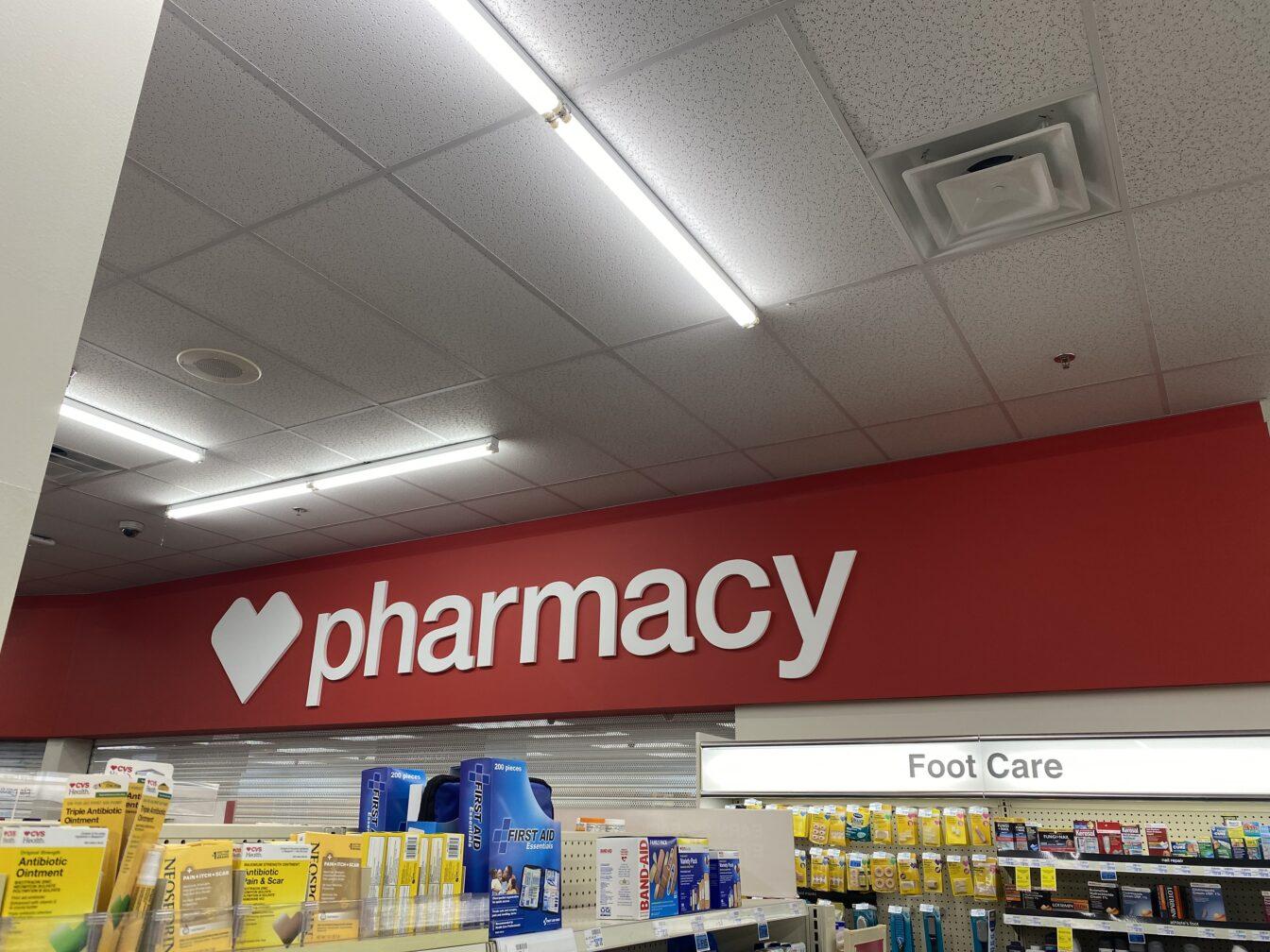
In the first year, the main focus has been to incorporate supplies into local communities by the use of community pharmacies — pharmacies not connected to a clinic or hospital — and events like tabling at public facilities, associate professor at the University of Wisconsin School of Pharmacy Jay Ford.
“We’ve been really focused on giving harm reduction related supplies including mail back envelopes and fentanyl and xylazine test strips. Getting those in the hands of community pharmacies, where they can distribute those to patients that they are seeing,” Ford said.
There have also been discussions with University Health Services to make WOORC’s educational material readily accessible to students, Ford said.
WOORC’s efforts within the past year have been able to indirectly reach around 185,000 Wisconsinites through placing supplies and educational materials in over 75 community pharmacies, according to Ford. These educational materials are primarily in the form of brochures, and WOORC is trying to make them as accessible as possible as they are in multiple languages, like English, Spanish and Hmong, Ford said.
“[WOORC] has put together a series of multilingual educational materials,” Ford said. “For example, how to use fentanyl or xylazine test steps correctly to test for the presence of fentanyl or xylazine in a drug.”
The focus of WOORC isn’t just on short term projects like opioid mail back — it also is focusing on supporting those with opioid use disorders through long term interventions, Ford said.
Expansion to long-acting injectable medications is one way for WOORC to support those with opioid use disorders. Ford said in rural areas of Wisconsin, accessing these medications can be quite tough as people may have to drive 100 miles one way to get access to medication.
“We’ve been trying to work with pharmacies to educate providers in that area about the benefits of buprenorphine, an oral medication that people can take for their opioid use disorder,” Ford said. “The idea of getting a once a month injection will help reduce cravings for opioids.”
Madison has been a focus for WOORC’s work. One event held in the central downtown library had naloxone brochures and opioid test strips for individuals to take and bring into their communities. The hope of this program is to continue having information and resources spread further throughout communities to improve community health, according to Ford.
For those interested in learning more about WOORC’s work, Ford urges people to look at the pamphlets on WOORC’s website.