


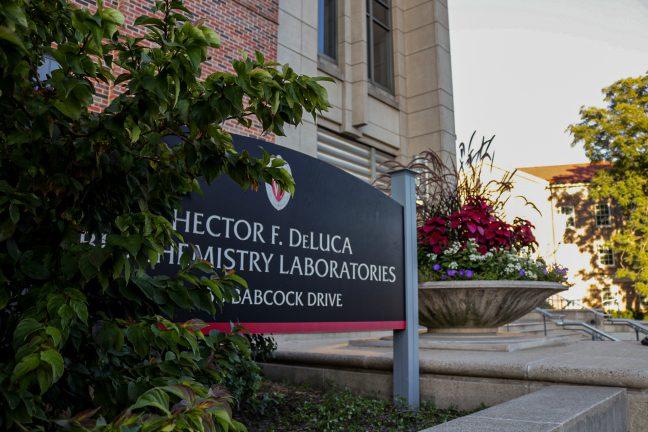

The University of Wisconsin’s Lim Lab has identified the cause of chromosome instability associated with a range of genetic diseases. Their findings, published in Science, attributed dysfunction in a molecule called replication protein A (RPA) to the damage of genetic material in chromosomes responsible for a range of diseases, including aging disorders and cancers.
Research at the Lim Lab is concentrated on specialized DNA sequences called telomeres. They function as protective caps at the ends of our chromosomes, according to Lim Lab graduate student researcher Sourav Agrawal.
DNA is lost from the ends of chromosomes every time a gene replicates, with telomeres acting as a buffer to preserve more important genetic material.
“Telomeres sacrifice themselves to preserve the … important parts inside our genes,” Agrawal said.
The maintenance of sufficient telomere length is crucial to their protective function. When telomeres become too short, they can no longer guard against DNA fray caused by successive replication cycles, according to Agrawal.
Telomeres shorten naturally over a cell’s lifespan. But when shortened telomeres are a product of genetic dysfunctions, diseases including aging disorders, bone marrow failure and cancers may result from DNA fray, according to Agrawal. These diseases are often broadly categorized as short telomeric syndrome diseases, Agrawal said.
An enzyme called telomerase is primarily responsible for rebuilding telomeric ends. The Lim Lab specifically focused on how telomerase interacts with RPA to understand telomere length maintenance overall, Agrawal said.
The team’s research revealed that the interactions between these proteins are crucial to telomere maintenance. This is the first time that RPA has been shown to stimulate human telomerase activity in cells directly, according to postdoctoral student researcher at the Lim Lab, Vivek Susvirkar.
“To our surprise, we saw that [RPA and telomerase] interact, and that RPA can enhance telomerase actively,” Susvirkar said.
While the focus of the study was telomere-shortening diseases, Susvirkar explained that telomere dysfunction can also work in the opposite way. If interactions between telomerase and RPA are activated in incorrect cells, excessive telomere growth can lead to cancer, Susvirkar said. It’s been reported that a large majority of cancer cells display an overstimulated telomerase, according to Susvirkar.
Research on RPA is not new. Its roles in numerous cellular processes, including DNA stabilization and replication, have long been known, according to this article published in the National Library of Medicine. The presence of RPA in telomeres had been identified previously, however its specific effects on telomerase activity were still unknown prior to their research, according to Agrawal.
The team used an AI protein structure prediction software called AlphaFold to initially predict and model interactions between telomerase and RPA, Agrawal said.
“Once we found that there was the possibility of an interaction, it gave us a hypothesis to test,” Agrawal said.
After the potential interaction was identified, the team ran enzymatic assays — a type of laboratory test used to measure enzyme activity — with telomerase, comparing telomere length with and without the addition of RPA.
The team observed that telomerase in the presence of RPA was able to form longer telomeres for a longer period of time. Further tests incorporating known mutations associated with short telomeric syndrome diseases confirmed that the inhibition of RPA can reduce telomerase activity, according to the study.
“This research changes the way we think about telomere maintenance,” Agrawal said. “… Knowledge that RPA is affecting [telomeres] completely changes the landscape.”
Clinicians from around the world have contacted the team to test if different mutations are a result of inhibited interactions between RPA and telomerase, according to Agrawal. The lab is currently testing these mutants to determine what specific diseases can be attributed to this phenomenon, Agrawal said.
Susvirkar highlighted ongoing collaboration with a team of clinicians from Australia whose patients suffer from short telomeric diseases. For many, any clarity about the cause of their diseases can bring a source of relief. Though symptoms vary, the conditions often affect patients’ quality of life and mental health, Susvirkar said.
“They want to know how they can protect their children and their future grandchildren and if there is something they can do,” Susvirkar said. “In order to do that, they need to understand … what exactly is causing those diseases.”
It’s not clear when the Lim Lab’s findings will be applied in clinical practice, Susvirkar said. While this research is still very fresh, it provides a lot of potential to inform the creation of novel therapeutics for telomere-related diseases, according to the team.
Agrawal said the lab’s success in diagnosing the cause of short telomeric diseases is a significant milestone that has the potential to change the field of telomeric science going forward.
“We now have an idea of how these [diseases] are being caused, and we now have a better understanding of how exactly these [telomeres] are being maintained,” Agrawal said. “Hopefully in the future we will get a complete picture of this maintenance and then we will be able to solve many of the diseases that are associated with it.”
