


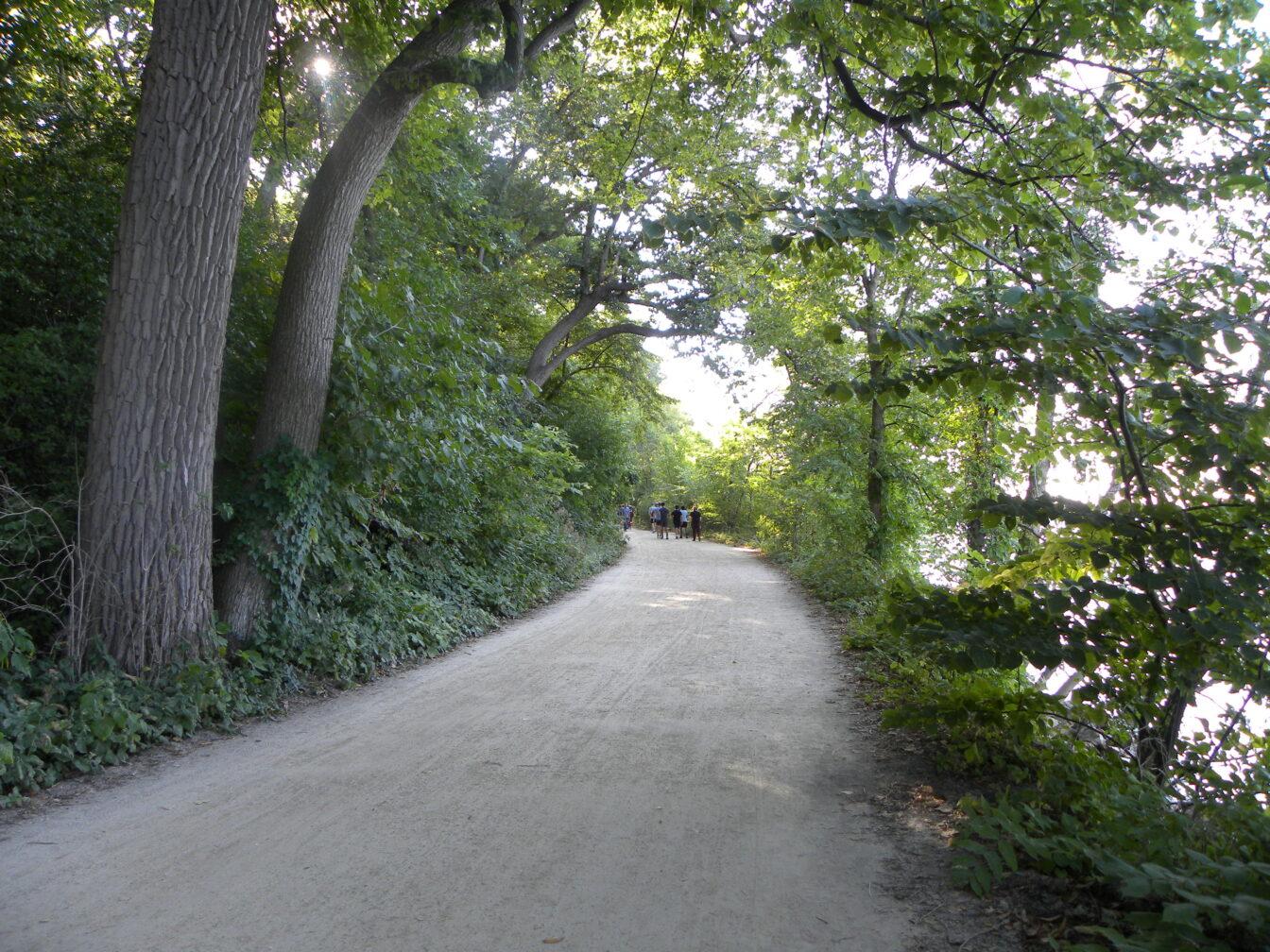

A group of Wisconsin Democrats argue natural features in Wisconsin should be given their own legal standing, according to Wisconsin Public Radio. This comes after the Ho-Chunk Nation and Menominee Nation adopted their constitutions to include legislation protecting natural resources and land.
The Democrats urge local governments to pursue their own legislation specific to natural features in their respective jurisdictions.
Granting nature its own rights, in essence, means natural entities — such as plants, bodies of water and animals — are recognized as possessing legal personhood, according to the Global Alliance for the Rights of Nature. Just as individuals can seek justice when their rights or property are violated, natural beings can be legally represented and defended in a court of law.
Wisconsin Democrats and other advocates for nature rights aim to shift perspective. Instead of natural resources and entities being seen as property that can be used, owned and abused, they would be recognized as having inherent value and the right to be protected.
One Wisconsin proposal moves to specifically protect Devil’s Lake State Park — called Tee Wakącąk in the Ho-Chunk language — and other proposals aim to protect all nature across the state, according to WPR.
The bill would introduce fines of $1,000 to any person, organization or business that disrupts the flourishing of the park. Part of this process would include obtaining an environmental assessment of the park to understand the initial conditions, thus identifying any endangered or disrupted species and ecosystems, according to WPR.
The issue, however, is that these proposals are in direct contradiction with a Wisconsin State Senate bill introduced in September that prohibits the rights to nature ordinances and blocks local governments from introducing such legislation.
The Republican Party argues the rights of nature movement is a direct infringement on a citizen’s right to own property. Beyond their concern with constitutional rights, they also fear nature rights will serve as a potential roadblock to development and industry in the future, according to WPR.
Despite this developing challenge for the Wisconsin legislation, rights of nature laws are being introduced across the world.
In 2008, Ecuador amended its constitution to include Article 71 which states nature, or Pacha Mama — an Earth goddess revered by the indigenous people of the Andes — has the right to be respected for its existence and to maintain its cycle of life.
The amendments go on to discuss how nature has the right to be restored, outline restrictions on activities that harm towards species and also affirm the belief that people have the right to benefit from the environment.
These protection laws can extend to all nature and natural resources or they can be for specific landmarks.
For example, the Innu Council of Ekuanitshit and the Minganie Regional County Municipality in Canada recognized the legal standing of the Magpie River — called Muteshekau-shipu in the Innu language.
Included in the river’s list of rights is the right to be free of pollutants, the right to sue and the right to maintain its integrity, according to the Center for Democratic and Environmental Rights. In 2023, Panama recognized the legal rights of sea turtles with Law 371, showing legislation can extend to animals as well.
Such municipal rights of nature laws have been enacted in the U.S. since 2006.
Voters in Orange County, Florida, approved the first law in the state recognizing the rights of rivers and waterways, according to the Rights of Nature Law Library.
Article 7 of their resolutions specifically highlights the Wekiva River and Econlockhatchee River, protecting them against pollutants described as any substance that affects the quality of waterways. Each of these rivers is tied to Indigenous heritage — the Wekiva River through its connection to the Seminoles and the Econlockhatchee River through its deep roots in the history of the Muscogee people.
Several Tribal nations have created their own laws and resolutions. In 2018, the Ho-Chunk Nation, with ancestral roots in Wisconsin, declared ecosystems and natural communities as having the inalienable rights to thrive, grow and restore. The Ho-Chunk people are the first nation to amend their tribal constitution to include rights to nature, according to WPR.
Subsequently, in 2020, the Menominee Indian Tribe of Wisconsin declared the Menominee River as possessing the fundamental and recognized rights to exist, grow, restore and adapt in a natural way. Further resolutions go on to describe the rights to biodiversity and a waterway free of pollutants.
For the indigenous population, this is more than just preserving the land. A member and activist of the Menominee Nation, Anahkwet — also known as Guy Reiter — speaks in favor of the policies, according to WPR. Nature is not merely property but a relative of the Menominee people, Anahkwet said. He portrays any harm to the land as a direct attack on their nation, personifying natural entities as extensions of their present and future generations.
The issue of protecting natural resources does not inherently threaten property rights as some would argue. But not protecting natural entities does threaten the state of our world for future generations and the deep relationships with the land Indigenous people have long fought to maintain.
Rights to nature should be bipartisan. Cleaner rivers, healthier forests, more resilient ecosystems and the longevity of our planet transcend political affiliation. Protecting nature is not about restricting ownership, it is about accepting responsibility to care for the environment we thrive from.
Recognizing nature’s personhood also acknowledges the practices of Indigenous nations. They lead by example in showing the reciprocal relationship between humans and the land. Protecting our natural world is not only a political and scientific concern, it is also a cultural and moral issue.
Legislation granting rights to natural entities is at the intersection of climate justice, cultural survival and human rights. It is larger than the preservation of a state park. It is about reimagining the relationship we have with the Earth and urging ourselves and future generations to give back to the land that gives endlessly to us.
We are challenged to look beyond the land as an easily accessible, easily abused commodity and view it as a living system that has the inherent right to protect itself.

