


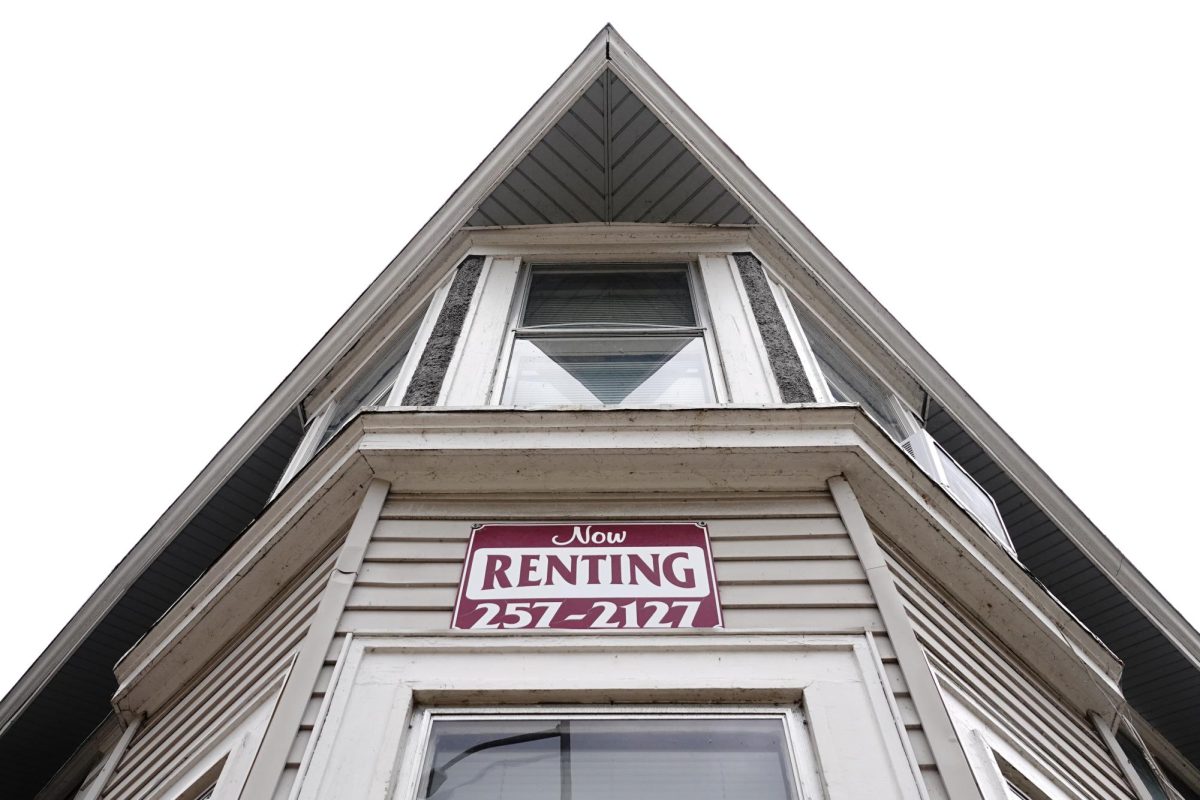

Housing financial stress has been rising among Wisconsin residents, and it is tied to an increase in negative health outcomes, according to a report from the University of Wisconsin-Extension.
The report found that housing instability is linked to worsened mental and physical health and may cause food insecurity, physical exhaustion, hypertension and lowered fertility. While this stress is more common among renters than homeowners, the consequential health impacts were linked more with older homeowners, co-author of the report and associate professor in the Department of Agricultural and Applied Economics Tessa Conroy said.
These impacts are not only felt by individual residents but also on a community level. Co-author of the report and PhD student in the sociology department at UW Erin Gaede said housing is often overlooked when considering community wellbeing.
Gaede said that residents must understand that housing, financial stress and health are interconnected.
“If people are prioritizing their shelter over everything else, the potential for negative health outcomes is, I don’t want to say inevitable, but likely. So I think that that was kind of a surprising finding,” Gaede said.
People who experience housing financial stress may opt to forgo medical care in order to prioritize rent or mortgage payments. Gaede said this is particularly concerning now that hospitals are closing across the state.
According to the Wisconsin Hospital Association, 10 hospitals have closed in 2025 alone. The WHA attributed this to underfunding at the legislative level and have called for lawmakers to enact a system reform.
Housing stress stems from the steadily rising cost of housing across the state. In recent years, the pace of house permitting has slowed in Wisconsin, according to a Wisconsin Policy Forum report. Conroy said the demand for housing outweighs the amount of housing available.
Since the 2010s, housing projects have dwindled while the amount of residents seeking housing has increased, according to a Wisconsin Policy Forum report. The report found that while Wisconsin has seen an increase in multi-family housing construction, this still may not be enough to meet housing demand.
Further, Wisconsinites may find the market to be less accessible as housing prices have grown faster than income rates. According to the former WPF report, the state’s median sale price of homes increased by more than half from 2017 to 2022 while the median income only saw an approximate 20% increase.
The UW-Extension report suggested multiple paths for action, spanning from funding initiatives to the creation of community health task forces. Gaede said that healthcare perspectives must be included in future housing efforts and collaboration between health professionals and housing authorities is essential for impactful change to be made.
Conroy said that addressing housing and health challenges were primary concerns across all Wisconsin communities she encountered.
“To move the dial on these challenges in communities we might be most effective by collaborating across groups and across initiatives, across policies, to think about cocreating solutions to help focus in this situation,” Conroy said.

