


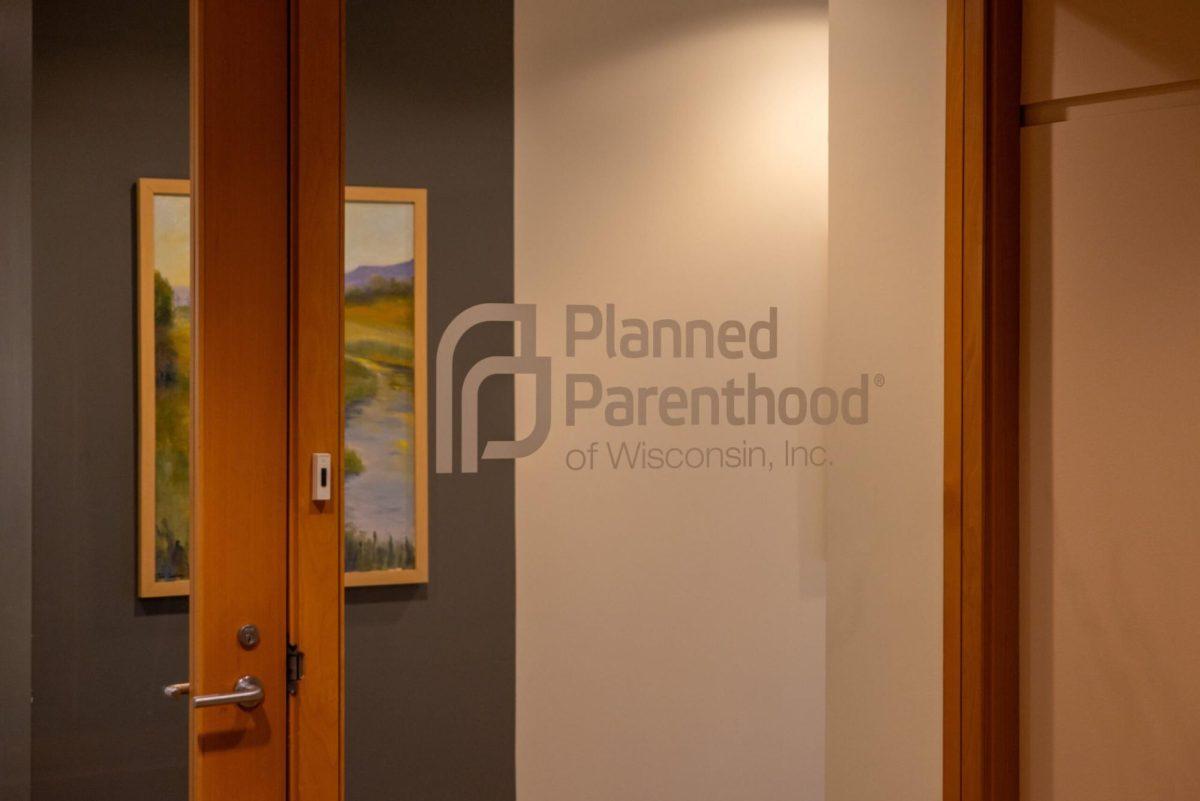

Planned parenthood is under renewed attack as President Trump signed the “One Big Beautiful Bill Act”. Part of the bill prohibits nonprofits that provide abortions, including Planned Parenthood, from receiving Medicaid reimbursements for one year, according to the act.
The bill was signed shortly after the U.S. Supreme Court ruled on June 26 that Medicaid patients cannot challenge state decisions about which providers are allowed in the program, a shift that could make it easier for states to exclude organizations like Planned Parenthood, which offers sexual healthcare.
The June 26 decision has made it harder for Planned Parenthood of Wisconsin to challenge threats to its Meicaid funding, created by the Big Beautiful BIll, by eliminating the option for patients to file lawsuits, according to AP News.
Currently, this decision only directly affects South Carolina, according to Planned Parenthood of Wisconsin’s director of communications Analiese Eicher.
“At this point there is no immediate impact on the state of Wisconsin,” Eicher said. “It is something, though, that folks are monitoring.”
The ruling stems from a 2018 order by South Carolina Governor Henry McMaster to block Planned Parenthood from receiving Medicaid funds, according to The New York Times. A patient sued on the basis that Medicaid patients have the right to service from any qualified provider, but now SCOTUS has ruled that patients do not have the right to sue to choose their healthcare provider, according to AP News.
Eicher said the SCOTUS case is an indicator of an attempt to attack Planned Parenthood and the services it provides across the country. This decision poses a concern to the organization as opponents use legislation to combat Planned Parenthood, Eicher said.
In Wisconsin, Planned Parenthood is a staple in the healthcare system, and if it were to be threatened, the state would not have sufficient resources to make up for reproductive and sexual health services, Eicher said. Planned Parenthood offers not only abortions, but STI and cancer screenings, birth control, contraception and well-person visits, according to Planned Parenthood of Wisconsin’s website.
Well-person visits are yearly check-ups to evaluate reproductive health.
Pro-Life Wisconsin legislative director Matt Sande said threats to Planned Parenthood would not leave a gap in services in the state.
“We have Federally Qualified Health Centers and pregnancy centers all across the state,” Sande said. “So when people say over and over there will be no health care for women in Wisconsin if Planned Parenthood cannot accept Medicaid, it’s simply not true.”
Pregnancy centers are typically run by pro-life activists who provide parenting classes, baby formula or diapers, and other resources with the goal of encouraging people to continue with their pregnancies, according to Choose Life Wisconsin Politico. But, there are arguments around whether the information provided about pregnancies and parenthood are entirely accurate, according to Politico..
Pro-Life Wisconsin celebrated the SCOTUS decision and said organizations that provide abortions should rely on private funding instead of federal funds, Sande said. He added that Wisconsin’s Democratic governor and state-level abortion protections prevent the ruling from being applied in the state. Still, he said the organization is excited for states where the decision can take effect.
Currently, Pro-Life Wisconsin and other anti-abortion rights organizations have limited options to to defund Planned Parenthood due to the strong Democratic presence in the Wisconsin legislature, according to Sande. But, he said if Wisconsin were to retain anti-abortion rights majorities, it would aggressively push to defund Planned Parenthood Wisconsin of resources offered by Medicaid.
In July, the Wisconsin Supreme Court overturned the state’s 1849 total abortion ban, according to WisPolitics. The law had classified abortion as a felony, though after Roe v. Wade, which gave a woman’s right to abortion nationwide, the ban was no longer followed.
When Roe v. Wade was overturned in 2022, Wisconsin was left with uncertainty as to the legality of abortion in the state, and most providers, including Planned Parenthood, ceased to perform abortions for over a year, according to Wisconsin Public Radio.
Wisconsin remains a fairly restrictive state in terms of abortion laws including a waiting period, mandatory ultrasounds and access to abortion, Eicher said.
Anti-abortion rights organizations like Pro-Life Wisconsin acknowledge that overturning the ban limits their legislative options, according to Sande. Still, they plan to make efforts in other ways, Sande said.
Pro-Life intends to challenge abortion rights in Wisconsin by trying to change curriculum in growth and development classes to mandatorily show an ultrasound of a developing fetus, extending the period where a new mother can relinquish her infant through safe havens — an anonymous way of safely giving up a newborn to law enforcement — and supporting new mothers financially, Sande said.
Pro-Life Wisconsin believes that the definition of abortion is critical, Sande said. The organization believes that if the intention is not to kill a fetus, it is not considered abortion — such as providing medical operations to save a mother’s life, even if that means the pregnancy cannot be carried out, Sande said.
Sande said the organization hopes to eradicate abortion and Planned Parenthood as a whole. But, in response to the Supreme Court decision, Pro-Life wants to move towards terminating Medicaid funding for Planned Parenthood, according to Sande.
Planned Parenthood Wisconsin does not plan to accept any possible challenges to its existence, Eicher said.
“Planned Parenthood of Wisconsin has existed for over 90 years at this point, and has weathered and worked through any number of challenges,” Eicher said. “We have every intention of continuing to provide care and will always help people you know, until we can’t.”

