


Over the past few years, but particularly in 2025, “Gen Z” protests have swept the globe. Young activists, primarily in their 20s, have criticized their government and — in the case of Nepal and most recently Morocco — even ousted leaders of their nations.
A common symbol found in these protests is a fictional pirate’s flag.
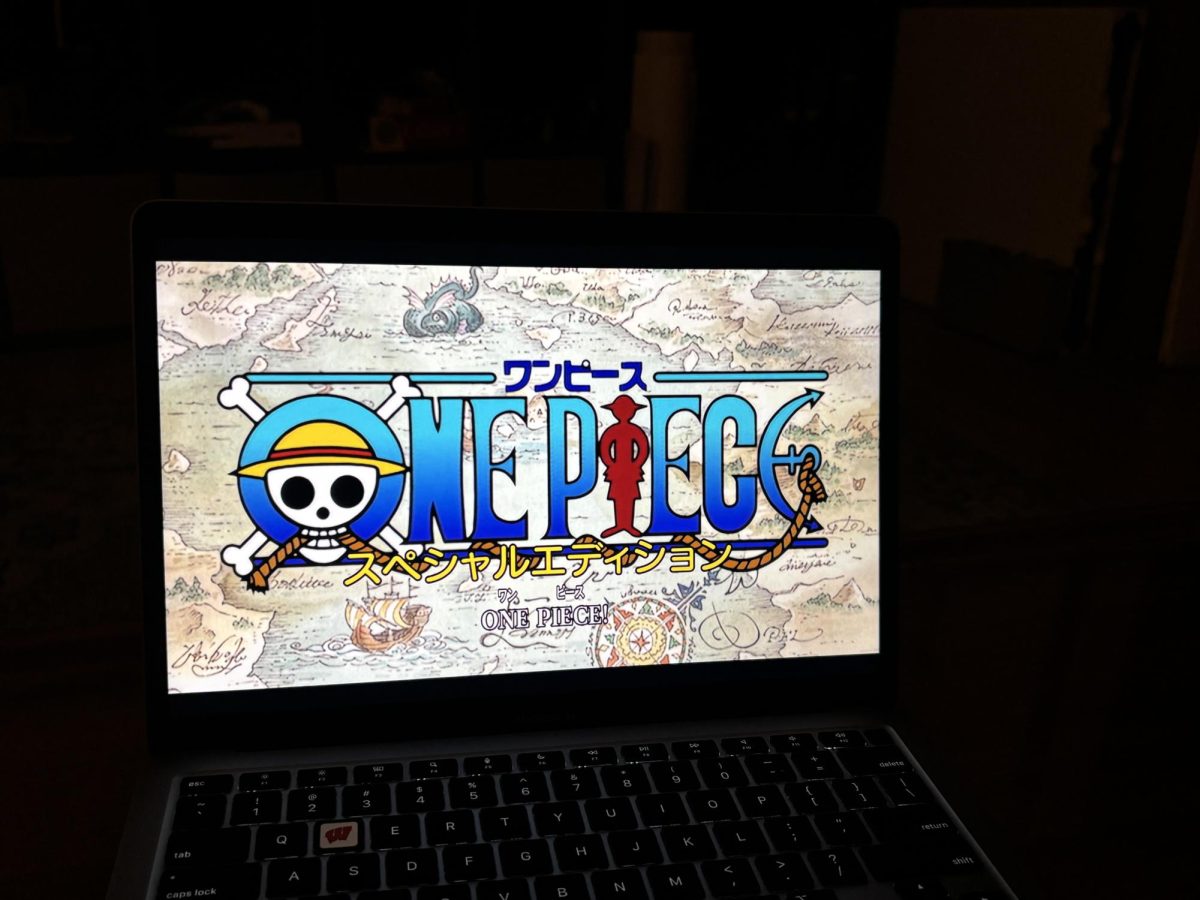
Inspired by the globally popular anime and manga series “One Piece” by Eichiro Oda, the Straw Hat Flag seems to have become a global symbol of young protest overnight.
But what is “One Piece,” exactly? What does its prevalence suggest about these Gen Z protests?
The author of this piece is fairly qualified to answer the first question, at least, having followed the series since 2017. “One Piece” is a Japanese shonen manga (in effect, a comic aimed at adolescent boys) that began in July 1997. It follows a fictional crew of pirates, known as the Straw Hat Crew, and its leader, Monkey D. Luffy, as they sail a fantastical sea.
“One Piece” includes magical powers stemming from “devil fruits,” a menagerie of islands and locales, consistent humor and an infamous array of tragic backstories. It is one of the longest-running manga series of all time, recently hitting its 1160th chapter.
One can already see an association with activism, in a sense — pirates are free, and many protestors seek freedom from corrupt or tyrannical governments. Yet “One Piece” becomes increasingly anti-authoritarian as the story progresses.
For the first half of the narrative, the world government’s marines are a consistent antagonistic force, though they are generally overshadowed by cruel and dangerous pirates (as well as a sky god, but that isn’t quite relevant here). It is only in the past decade or so that the story has focused on what has always lurked in the background — the extreme cruelty of the ‘world government.’
The world government of “One Piece” does not have good intentions, as the United Nations does. It instead upholds racist dogma, a level of classism equivalent to worship and even slavery. Oda is not subtle in his critique of authoritarianism, but he doesn’t necessarily need to be.
Even in the earlier stages of the narrative, the pirates Luffy defeats are traditionally in positions of political power, having taken control of a kingdom or township before the narrative. “One Piece” is rife with themes and symbolism, but on a grand scale, it is harder to find two more prevalent than those of freedom and resistance.
To learn more about how the series intersects with Gen Z protests, the Badger Herald reached out to assistant professor of the University of Wisconsin’s Anthropology Department Veronika Kusumaryati, who has studied recent Gen Z protests in Southeast Asia.
Though the specific circumstances for unrest vary from country to country, underlying similarities for Gen Z protests include shrinking economies and corrupt governance, Kusumaryati said. According to Kusumaryati, income inequality is especially significant in Indonesia, including for recent college graduates.
“There is a lot of dissatisfaction about how rulers run the country,” Kusumaryati said.
Concerning the focus on Gen Z protestors specifically, Kusumaryati said many of the countries in question (such as Nepal, Indonesia, the Philippines) have generally young populations, with Nepal even having a median age of 25. According to Kusumaryati, the naturally young populations of these countries have come into conflict with older elites and can easily spread awareness and opinion through social media.
Another instance of widespread protest that comes to mind is the baby boomer generation’s global years of activism during the 1960s, particularly in the U.S. While there are similarities between Baby Boomer and Gen Z activism, Kusumaryati said, this year’s protests have had a broader coalition, even including high schoolers, than those of the 1960s.
Kusumaryati has previously observed the role of “One Piece” concerning demonstrations in Indonesia. She said that “One Piece” is ubiquitous in Indonesia and is incredibly popular across all forms — manga, anime, Netflix live-action — amongst Gen Z, who often post about it online.
“‘One Piece’ is very, very, very, very famous … among young people … and these young people are very much immersed in digital media,” Kusumaryati said.
“One Piece’s” popularity makes it an easily recognizable image amongst protestors, Kusumaryati said, and its relevance among young generations specifically helps distinguish them from the older, ruling class. In this context, the use of “One Piece” as a political symbol is inherently tied to the use of social media, Kusumaryati said.
Concerning the use of fictional stories to stimulate protest more generally, Kusumaryati said the widespread recognition of popular media and the emotions associated with said media allow them to become easily recognizable symbols of political belief. She explains this impact is especially pronounced when individuals can identify with the struggles of characters in the stories they use to represent their beliefs.
“A symbol gives [protestors] a way to deal with power that can be circulated anywhere … the effect of fiction is very powerful,” Kusumaryati said.