


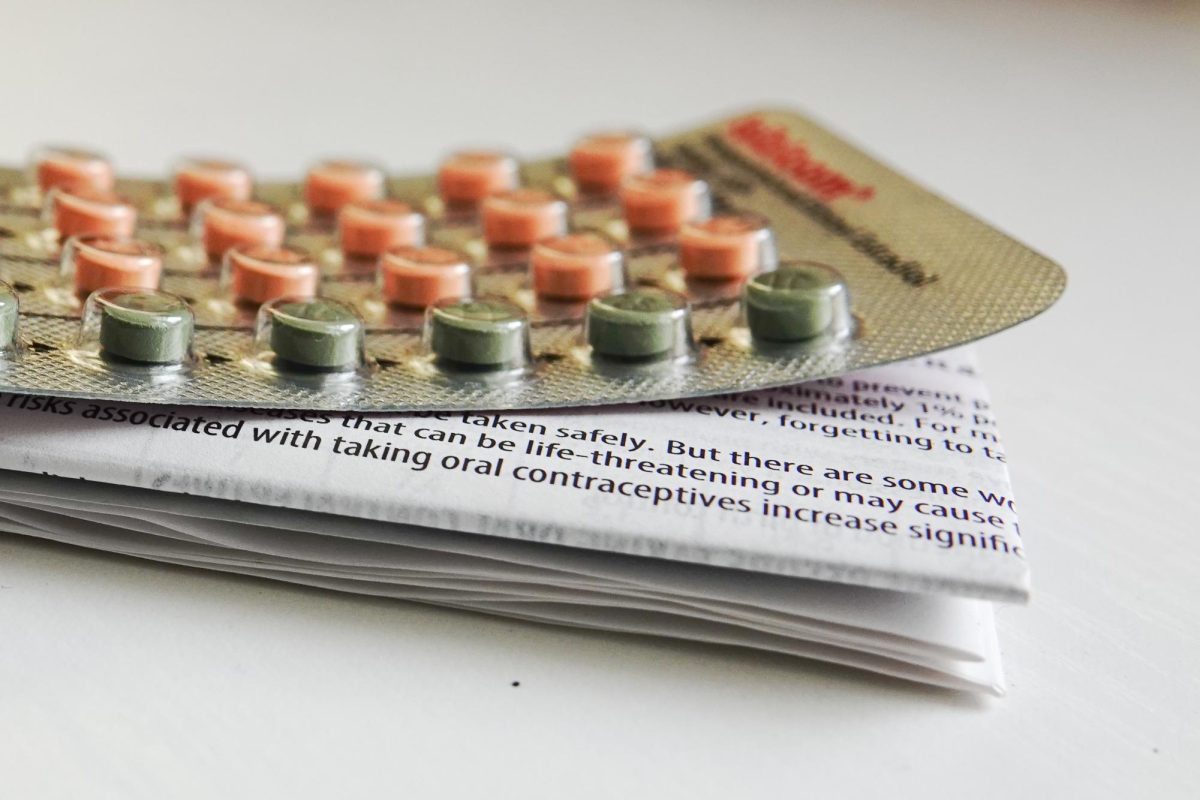

“Nobody gets a period on birth control”
So, you’re on the pill — or maybe you use the patch or the ring — but you still bleed every month. What gives?
You might feel a twinge of jealousy towards others who use similar birth control but don’t have to go through the same bloody mess.
You might call it your “period,” but here’s the twist — it’s not actually a period at all. Let’s break down what’s really happening when you bleed on hormonal birth control, why it’s not the same as a natural period, and how you can — safely — skip it altogether if you want to.
A quick biology refresher
In a natural menstrual cycle, your body releases an egg, the process of which is ovulation. If that egg isn’t fertilized, hormone levels drop and your uterus sheds its lining — hello, period.
But, by using a combined hormonal birth control — such as the pill, patch or vaginal ring — you change the script. These birth control options give your body a steady dose of estrogen and progestin, which stops ovulation and keeps your uterine lining thin.
No egg, no buildup = no real period.
So what’s that bleeding then?
That monthly bleeding you get during your “off” week? It’s called withdrawal bleeding, and it happens because your hormones suddenly dip when you stop taking active pills — or remove the patch or ring.
Think of it as your body’s mini protest: “Hey, where did all those hormones go?”
It may look like a period, but withdrawal bleeding is lighter, shorter, and often browner in color. Some people only spot and others don’t bleed at all. It’s all normal.
Wait … you can skip it entirely?
Yup. You can safely skip your withdrawal bleed by taking your birth control continuously, meaning you skip the placebo pills or start your next pack right away.
And contrary to popular myth, your body doesn’t need to bleed each month. That idea came from the 1960s, when early pill makers wanted to mimic a “normal” cycle to make the pill seem more natural.
Skipping your bleed is completely safe for most people, and many do it to avoid cramps, headaches, or inconvenient timing. Just talk with your healthcare provider first to make sure your method supports continuous use.
Breakthrough bleeding: The surprise guest
If you’ve ever had unexpected spotting in the middle of your pill pack or right before a big event, you’ve met breakthrough bleeding. It’s common when you first start hormonal birth control, as your body adjusts to the new hormone levels. Other triggers are missing or taking pills late, stress or illness and switching brands or hormone doses.
It can be annoying, but it’s rarely a sign that your birth control isn’t working. Usually, it fades after the first few months.
If you don’t have any bleeding, that’s totally normal too. Some people stop bleeding altogether on hormonal birth control, especially after using it for a while.
About 1 in 10 pill users experience no withdrawal bleeding at all, and that number’s even higher with continuous-use pills. As long as you’ve been taking your birth control consistently, there’s nothing to worry about. But if you’ve missed pills or think there’s any chance of pregnancy, take a quick test to be safe.
How long should bleeding last?
If you’re on a standard 21/7 pill pack — 21 active pills, 7 placebo — withdrawal bleeding usually starts around day two or three of the placebo week and lasts 3–5 days. Those on a 24/4 pack — 24 active, 4 placebo — may bleed even less, or not at all because there’s less time off hormones. Basically, the more consistent your hormone levels, the lighter the bleeding.
Quick recap: Your cheat sheet
- Withdrawal bleeding ≠ period. It’s caused by a drop in hormones, not ovulation.
- It’s usually lighter and shorter — sometimes just spotting.
- Skipping it is safe. No medical need to bleed monthly.
- Breakthrough bleeding is common at first and doesn’t mean your birth control failed.
- No bleeding? Totally fine — just check for pregnancy if you’ve missed pills.
- If bleeding changes a lot, talk with your healthcare provider.
Bottom line: You’re in charge of your bleed
Understanding your body and what birth control does to it is empowering.
Whether you love having your withdrawal bleed, want to skip it or just wish it came with fewer surprises, remember this — you’re in control.
Your period — or lack thereof — on birth control doesn’t define your health, it just reflects how your hormones are being managed. So next time someone says, “Wait, don’t you still get your period on the pill?” You can smile and drop the truth bomb – “Actually, it’s not a period. It’s just my hormones taking a break.”
