


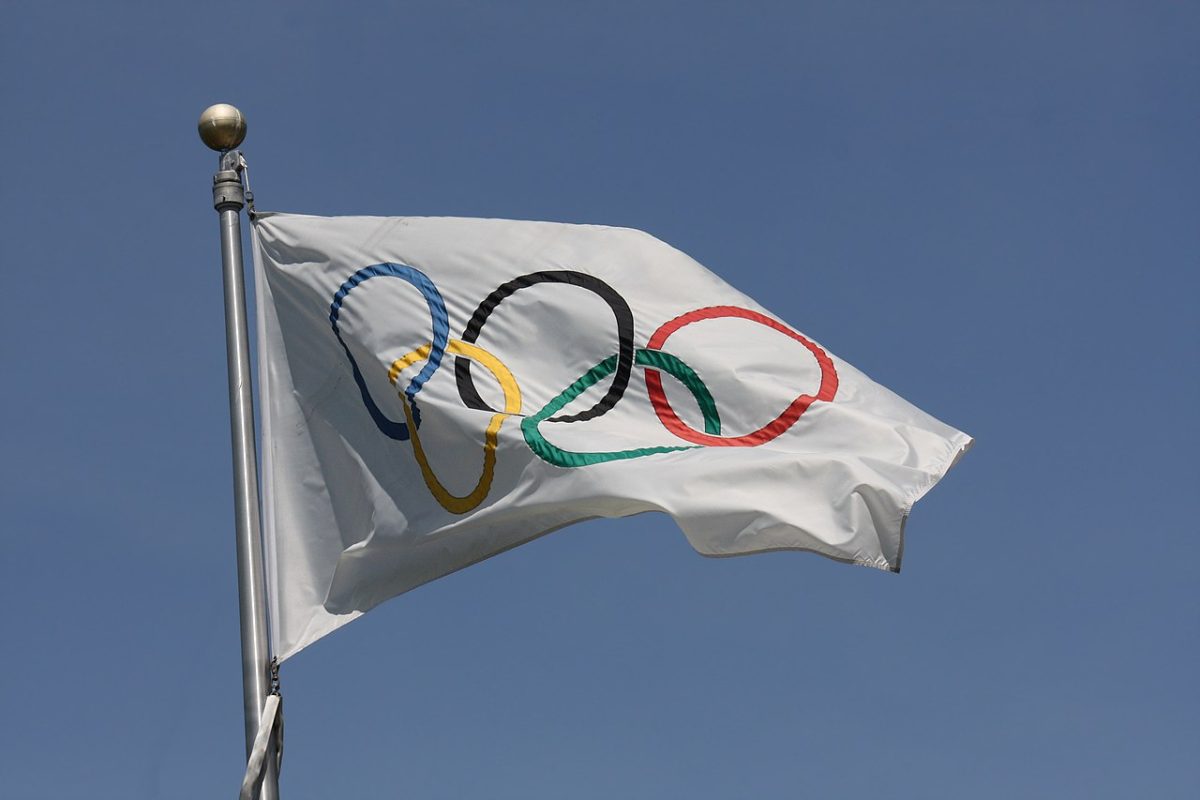

Americans resonated with U.S. Olympic athletes who expressed their conflicting feelings about representing the U.S. at the Winter Olympics in Milan. The athletes sought to find pride in representing the U.S. without endorsing the Trump administration’s horrific actions against immigrants and minority groups.
When asked in a press conference about ongoing turmoil in the U.S. due to ICE activity, U.S. Olympic skiers were transparent with their feelings about representing the U.S. in 2026. Svea Irving clarified that she races for the values of compassion, love and respect rather than the government’s actions. Other athletes such as snowboarder Chloe Kim and figure skater Amber Glenn shared this sentiment, according to NPR.
U.S. skier Hunter Hess, however, received most of the backlash for his statements. Hess explained that while he loved his country, he felt that there are things that must be changed. He also expressed gratitude for the freedom of speech that allows him to speak out. His statement caught the attention of Trump, who called him a “loser” and said he should not have tried out for the team if he did not respect the U.S., according to NPR.
Hess’ statement resonated with many Americans. For many, an important part of loving their country is working to improve conditions or policies that they feel are unjust, and freedom of speech is crucial to expressing these feelings. Americans, both Olympic athletes and regular citizens, should feel free to share their opinions without being disparaged by the President.
But, Olympians face barriers to speaking out at the games. Rule 50 of the Olympic Charter forbids any form of demonstration or political, religious or racial statements outside of press conferences.
The rule was introduced in 1975 shortly after the famous protest photo of U.S. sprinters Tommie Smith and John Carlos at the 1968 Olympics, however the International Olympic Committee — or IOC — would not confirm that the protest caused the rule to be created, according to NPR.
The Olympics have a long history of protest as they provide a platform for athletes to speak out against issues within their countries or internationally. Many Olympians were punished for speaking out outside of the boundaries set by the IOC such as through podium protests, clothing and statements. Despite this history, the IOC maintains the stance that sports are neutral, according to NPR.
But many argue that social issues seen in the real world are reflected in sport, making athletes important players in creating social justice if they choose to engage in political discourse, according to NPR. This is especially pertinent during the Winter Olympics where the barrier to entry in many sports is larger and representation of minority populations has long been insufficient.
Speed skater Erin Jackson is at the center of this discussion. As the first Black woman to win an individual gold medal at the Winter Games, she understands the importance of representation and reducing barriers to entry, according to Time. Through her success in the games and her activism around equality in the sport, she proves that athletes are central to progress in social issues through sports and their larger experiences.
Thus, when Olympians choose to condemn the Trump administration’s actions and share their vision for the American values they hope to convey at the games, they should feel supported in voicing their opinions. Right-wing media asserts that these athletes are “anti-American” when in reality they are not only next in a long tradition of political protest at the Olympics, but they are also representing the American value of freedom of speech in a way that should make Americans proud.
Reporters asked U.S. Olympic Alpine skier Mikaela Shiffrin about representing American values at the Olympics, and she responded by sharing that she hopes to represent her own values of diversity and inclusion while participating in an event that should promote not only competition but also international cooperation, according to Reuters.
Shiffrin’s dedication to the overarching goals of the Olympics should be a reminder that the games are not only a time to feel pride in your nation, but also a time to celebrate global athletic achievements.
Americans may feel conflicted watching American victories at the Olympics, but it is a reminder that celebrating achievements by Americans is not inherently a celebration of the U.S. government. We must not let Trump’s values become the definition of patriotism.
Instead, we must embrace the athletes who share our values. These athletes should represent those across the political spectrum who believe in the value of free speech and political discourse.
In a time where many feel hopeless under the Trump administration and amidst ongoing international conflicts, the Olympics should continue to be a place to find pride in the U.S. and in the spirit of international competition. Negativity from conservatives over the opinions of U.S. Olympic athletes should not overshadow their athletic achievements. Athletes should not be afraid of backlash for their opinions while focusing on the greatest, most difficult athletic moments of their lives.
Olympic athletes are often said to represent the best of our country, and this does not end with their athletic performances. Their strength to speak out about the complexity of representing the U.S. in the current political climate represents the feelings of many Americans and puts into words the conflict of loving your country but feeling outrage at what it has become.
