



The Trump Administration has frozen $660 million in federal funding from TRIO programs, jeopardizing the futures of thousands of students across the country.
At the University of Wisconsin, these programs are not just optional support services — they serve as professional and emotional support for first-generation, low-income and historically underserved students. Roughly 650,000 college students and high school seniors will lack access to academic advising, financial guidance and assistance with college applications if the freeze persists, according to Inside Higher Ed.
TRIO programs, including the Center for Educational Opportunity, Student Support Services, the McNair Scholars Program and Upward Bound, have assisted underrepresented or disadvantaged students in pursuit of college degrees since being founded in the 1960s. To cut or delay this funding is to widen the gap between students who can rely on generational knowledge and resources and those who must build their educational journeys from scratch.
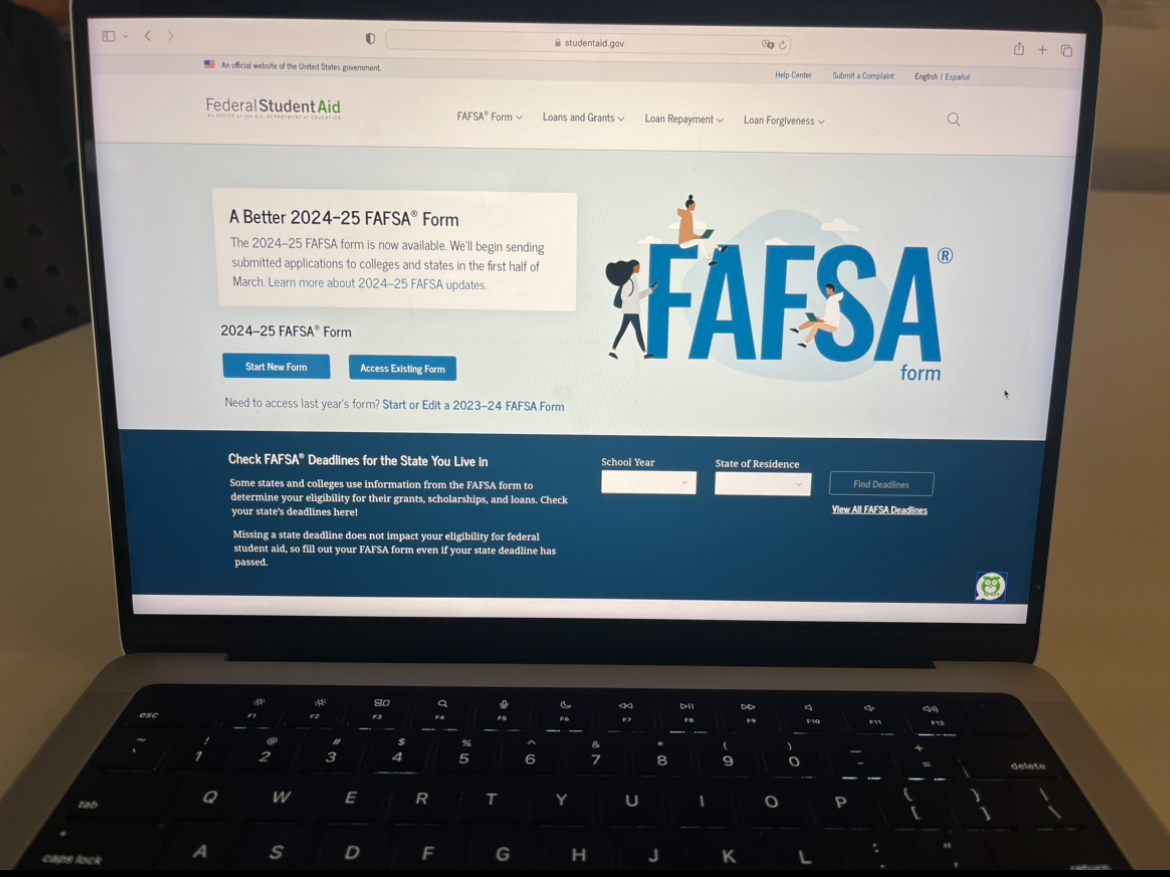
For students whose parents or guardians have never attended college, higher education can be intimidating to navigate. Filling out the FAFSA form, choosing courses, understanding degree requirements and finding internships are all tasks that become exponentially harder without guidance. TRIO programs exist to bridge these gaps.
At the University of Wisconsin, TRIO advisors help to provide hands-on academic counseling, financial literacy workshops, graduate school preparation and community-building opportunities.
TRIO programs have a proven measurable impact. TRIO participants are more likely to graduate on time and pursue advanced degrees compared to peers from similar backgrounds without access to TRIO, according to the Pell Institute. For every dollar invested in TRIO, the return is seen not only in individual student achievement but also in long-term economic mobility.
If the Trump administration follows through on its decision and holds back funding indefinitely, the damage will be immediate and high-impact. At Madison alone, hundreds of students rely on TRIO each year. Without adequate funding, advising staff will be cut, workshops will be canceled and critical mentorship programs will be dismantled.
TRIO programs are also instrumental in shaping the diversity of Madison’s campus. CeO for example, hosts community building events for first-year students that help them become acclimated on campus. The decision to withhold funding from these students is not just about a change in budget — it’s about lives and futures. Students who depend on TRIO cannot afford to wait for political battles to resolve. Every semester matters. Every delayed advising appointment, every canceled mentorship program and every lost scholarship application has a ripple effect on a student’s trajectory.
Beyond fostering an important community on campus, the financial guidance offered through TRIO helps students avoid predatory loans, navigate debt and learn how to spot misinformation about aid eligibility. Mentorship programs like McNair prepare underrepresented students for graduate school and PHD programs, diversifying academia and professional fields that remain overwhelmingly white and affluent. Without these services, inequities that already exist at large and predominantly white institutions like Madison would only become larger.
Universities often claim to value diversity, equity and inclusion, yet without programs like TRIO, those commitments ring hollow. Though the funding freeze is the result of a federal decision, losing TRIO would mean losing the very infrastructure that makes higher education accessible to students who bring new perspectives, resilience and leadership to the UW community.
It can be argued universities should step in to fill the gap if federal funds are withheld. While this would be a best case scenario, it is unrealistic in practice. Public universities like Madison already face tightening state budgets, resulting in yet another tuition raise this year. Asking universities to cover millions in lost federal funding would either raise costs for students across the board or force cuts in other essential areas.
President Trump’s proposed cuts in funding could force TRIO students to move to utilizing more broad academic resources. But it’s highly unlikely these services would be as useful to them as TRIO is. It’s not about offering the same services to everyone, it is about tailoring resources to those who face unique structural disadvantages. General advising offices may be overburdened or unaware of the particular needs of first-generation and low-income students. TRIO fills this gap precisely because one-size-fits-all solutions do not work.
If the federal government refuses to uphold its commitment, universities cannot remain silent. Madison must actively advocate for the restoration of TRIO funding at the national level, while also exploring short-term measures to protect current students.
But makeshift financial solutions are not enough. The university must also publicly acknowledge the stakes of this funding cut, amplifying the voices of TRIO students and alumni who can speak to the transformative impact of these programs. Silence or neutrality on this issue would signal complicity in policies that deepen inequity.
The proposed withholding of $660 million in TRIO funding is not just a funding issue, it is a moral one. Madison, along with universities nationwide, must not allow political maneuvering to erode decades of progress in educational equity. Students deserve better than to be treated as expendable line items in federal negotiations. The future of higher education, one that is accessible, inclusive and equitable, directly depends on protecting programs like TRIO.

