



The U.S. Department of Education sent letters to all states April 3, requiring them to certify their compliance with “anti-discrimination obligations” to continue receiving federal funding for K-12 schools, according to the letter. The requests would target DEI programs, according to Wisconsin Public Radio.
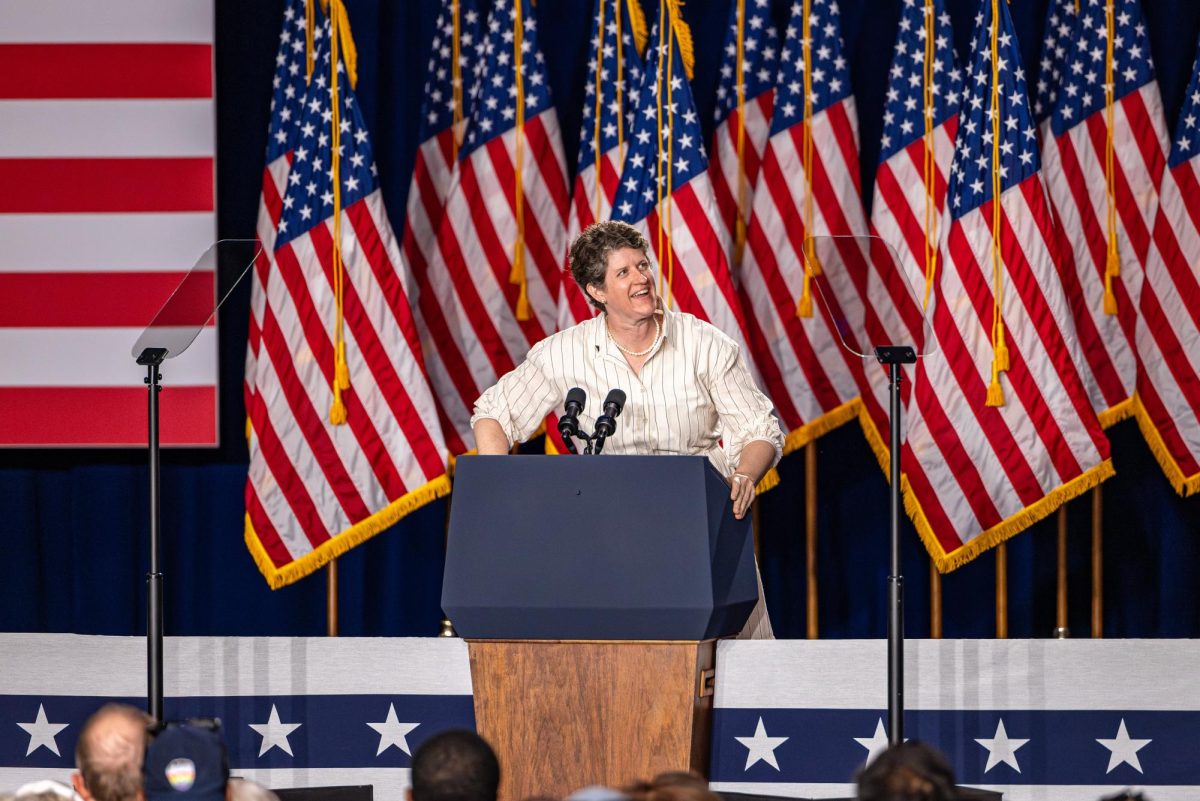
Wisconsin’s Department of Public Instruction, led by recently reelected Superintendent Jill Underly, responded with a letter calling the request “unauthorized, unlawful and unconstitutionally vague.”
Wisconsin joins 14 other states that have declined to sign the recertification request as of April 17, according to Wisconsin Public Radio.
Last Friday, April 18, the Wisconsin DPI sent another letter declaring that it will not abide by the DoE’s request.
University of Wisconsin assistant professor of educational policy studies Elena Aydarova said that states should have the authority to direct their own educational programs.
“States have the power to direct their education policy, and it is important for the states to continue making decisions that will best meet the needs for the children and that rests on their ability to prepare their own decisions,” Aydarova said.
Moreover, Title VI and Title IX are key anti-discrimination laws that support DEI by protecting students from bias based on race, sex and gender identity, according to the U.S Department of Education.
Aydarova highlighted a growing concern among educators and policymakers about the federal government’s increasing influence over state education policies.
Critics argue that mandating states to comply with anti-DEI measures could undermine local control, limiting schools’ ability to tailor programs that address the needs of diverse student communities, according to the National Education Association.
This growing pushback has created confusion around what qualifies as DEI work, raising concerns among educators and researchers, according to Aydarova.
“I think what is very important to remember is that what we see happening in policy and politics right now is that anything can be labeled as DEI or CRT [critical race theory],” Aydarova said.
Broad and politicized labeling can create confusion and fear among educators during this time of uncertainty in education, like book-banning regimes and censorship, Aydarova said.
Aydarova said that the ideals of America’s Constitutional freedoms must be translated into the American education system.
“I think the message that Wisconsin has sent is actually affirming what has already been established by the Constitution of the United States, which is an important message of upholding the rule of law,” Aydarova said.
As discussions around DEI and federal education policy continue, Wisconsin’s decision adds to a growing number of states questioning the authority of the U.S. Department of Education’s recent directive, according to Wisconsin Public Radio.
While the U.S currently faces times of extreme uncertainty, it’s crucial that we uphold the rule of law and the Constitution, according to Aydarova.

