

Legislators on the Assembly Committee on State Affairs unanimously passed a bill Feb. 11 that would protect college athletes’ name, image and likeness deals from the public, according to The Isthmus.
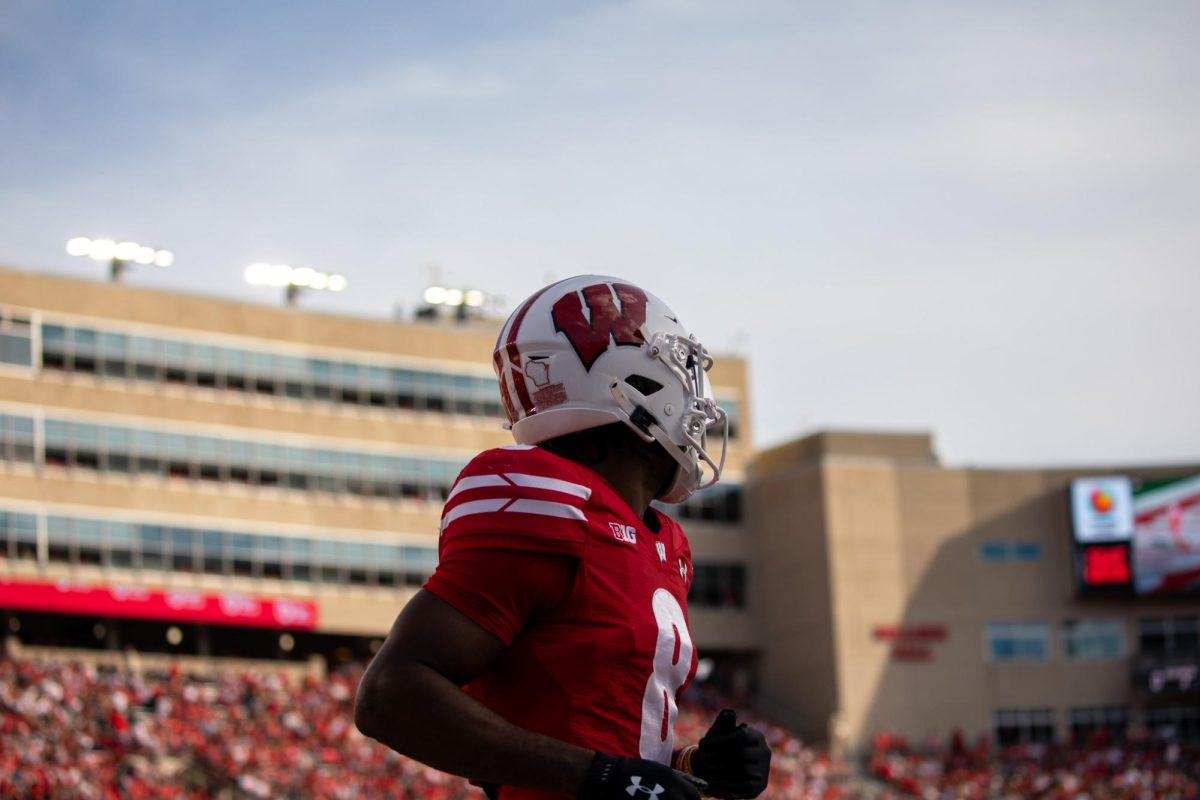
The NCAA ruled that student athletes could profit from their NIL in 2021, allowing them to make sponsorship deals, according to ESPN.
The bill, Assembly Bill 1034, exempts NIL contracts and revenue sharing from Wisconsin’s public records law for any University of Wisconsin campus, according to The Isthmus.
The legislation would also allow universities to make NIL deals with students, require students to report third-party NIL deals and prevent student athletes from entering third-party agreements that would conflict with the UW Board of Regents, National Collegiate Athletic Association or specific institutions’ policies, according to The Isthmus. Records of financial operations at the state’s public universities are generally public property, according to Wisconsin law.
The exemption is on the grounds of protecting student privacy and the school’s competitive interest, according to bill author Rep. Alex Dallman, R-Markesan. With 32 other states already implementing similar policies, Dallman hopes to level the playing field.
“This is a huge strategy,” Dallman said. “If Ohio State can come in and look at how we’re recruiting, the type of numbers that we’re offering students, they’d be able to get a competitive advantage against us.”
Dallman stated his belief that student-athletes have every right to their personal privacy in the contracts they’re being put into, especially given some athletes are minors.
UW Athletics generates up to $757 million and 5,600 jobs annually in the state, acting as a major economic driver for UW-Madison and the State of Wisconsin, according to an email statement from UW spokesperson John Lucas.
“Expenses associated with fielding competitive teams have skyrocketed, including settlement payments to former student-athletes and tens of millions of dollars in new costs to ensure campus is sharing maximum revenue with student-athletes,” Lucas said in the email statement.
The Badger football program accounts for 80% of all revenue to the athletic department, according to the UW Athletic Department. After a disappointing football season, with the Badgers going 2 – 7 in the Big Ten, action is required to ensure the program continues to generate the revenue needed to support the rest of UW’s athletic programs, according to Lucas’s statement.
The bill would also allocate $14.6 million in annual taxpayer funding for the maintenance of UW athletics facilities, according to The Isthmus. There are no taxpayer dollars being put into student athletes’ contracts at this time, as the payments come solely from privately raised funds, according to Dallman.
“We’re asking the taxpayers to pay just a little bit more than what they are now, because we believe the revenue that the athletic programs generate to the state are way more valuable than the modest investment we’re making in their buildings,” Dallman said.
Without records of the movement of money in Wisconsin’s athletic department, it can be hard to keep accountability in check, Media and Cultural Studies assistant professor Jason Lopez said.
Lopez worries the secrecy could create space for athletes to be taken advantage of and prohibit them from understanding how much worth their work has.
“It seems like this could be a system that’s set up where they’re going to be kind of operating in the dark,” Lopez said. “I would be concerned about keeping details about how [athletes are] being compensated or treated behind closed doors.”
Dallman asserts the bill actually gives student-athletes more rights. He stated it’s a legislation both the university and its students have been asking for and will allow them to work more freely amongst different contracts and agents.
NIL deals in college sports continue to be a complicated and much-debated practice, as evidenced by the first “Saving College Sports” roundtable held March 6 at the White House. As the current NIL system fosters massive bidding wars over athletes and quick transfers, college coaches and commissioners plead for change to restore order in athletics. President Trump promised an executive order within a week that will invoke federal legislation in the NIL space, according to ESPN.
Those at the summit urged the senate to act, demanding legislation is needed to enhance student-athletes’ quality of life and to move college athletics away from a system that tows the line of “pay-for-play,” according to ESPN.
The continued professionalization of college sports, as athletes continue signing massive NIL contracts, raises the question of whether the games should return to their amateur roots, according to Lopez.
“What you have is the university and the people who are in charge of the athletics department telling us that if we don’t continue to professionalize, we’re going to be left behind in this competitive arena,” Lopez said. “And you know, maybe that’s right, but at any point along those paths, we could have also just been like, no, college sports are for kids and college sports is for growth and fun.”