


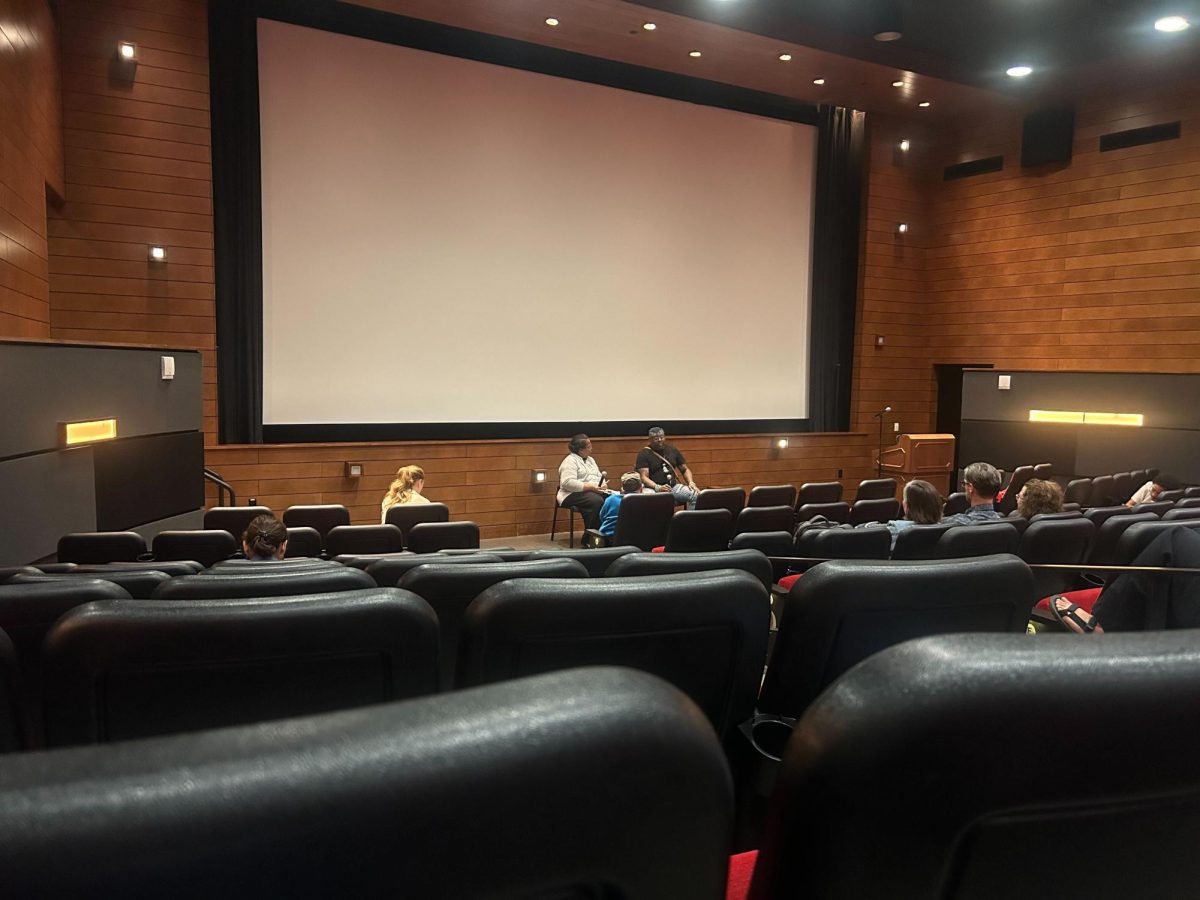

University of Wisconsin’s Nelson Institute for Environmental Studies hosted a free screening of the documentary feature film “Mother: Sisterhood in the Wild” on Tuesday as a part of the institute’s Tales From Planet Earth film series. The event also had a moderated panel discussion featuring the film’s director Chad Brown.
“Mother” is a documentary about five BIPOC women, who come from different backgrounds and jobs, but all are leaders in their communities with a deep respect for nature. The women travel to the Arctic National Wildlife Refuge in Alaska. There, they spend time flyfishing, camping and spending time in nature in one of the last truly wild places on Earth, according to the Alaska Conservation Foundation.
“Fly-fishing has a really unique way of bringing people together in the water,” Brown said. “There’s a science to discover together. There’s an art to discover together. There’s community to be discovered.”
The film also explores the healing powers of nature, as the women discuss the ways they can let go of societal expectations and pressures and find a deeper understanding of themselves. As the title of the documentary implies, sisterhood is a major theme. As the women connect with nature and each other, they also connect with each other.
“[I was] trying to capture the pureness of sisterhood being birthed,” Brown said.
The women also spend time with the Gwich’in — the indigenous population in the area. They learn about the Gwich’in’s culture — especially their strong relationship with the Porcupine herd of caribou. The documentary explored themes of climate change and colonization, which have deeply affected both the Gwich’in people and the Porcupine caribou.
Sustainability is an important value of the Gwich’in people, according to the documentary. But, climate change is causing major problems in the arctic. The seasons and land are changing, it’s only a matter of time before the rest of the world starts to feel the effects, according to Brown.
“It’s the canary in the coal mine up there [in the arctic],” Brown said.
For anyone interested in learning more about protecting the Alaskan wild, the documentary recommends visiting the website for the Alaska Wilderness League.

