

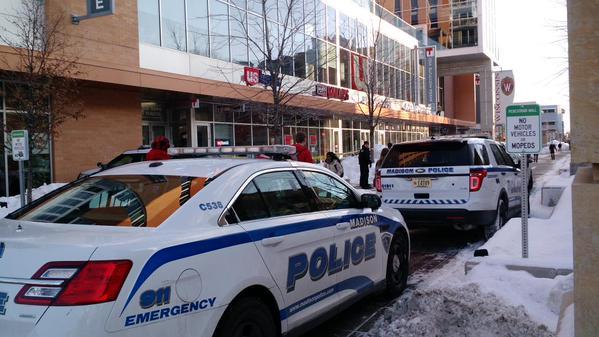

Public Health Madison and Dane County released a public health alert on Wednesday, following five confirmed overdose cases in the previous 24 hours.
Overdose alerts are based on data from hospitals and EMS providers and overdoses are at a higher rate than what is normally seen in the community, according to Public Health Madison and Dane County.
It is currently unknown what is driving the spike, but one possibility is that the street drug make-up in the community has changed, according to Public Health.
Dane County also has a detox program called Tellurian Behavioral Health, but the program is facing potential closure due to financial issues, leaving less treatment options available.
Public Health Madison and Dane County Communication Coordinator Morgan Finke said that the alerts can be similar to an extreme weather warning.
“In a tornado warning, weather conditions can create an immediate risk to your health and safety, and it’s the moment that officials say to take steps to avoid getting hurt or killed. So that’s kind of how we look at an overdose spike alert. We’re saying that there are these circumstances indicating a higher risk to your safety right now, and we’re alerting the public to this heightened risk,” Finke said.
Madison Public Library-Central’s Safety and Patron Resource Coordinator Craig Holler discussed available resources at the Central library. The UW campus and Madison’s community have a wide variety of organizations and programs where people can educate themselves on drug overdoses and know what kind of resources are available, he said. According to Holler, the library hosts informational events for organizations like Madison Area Recovery Initiative and the Wisconsin Opioid Overdose Response Center.
Both initiatives provide information on recovery services, as well as distribute Narcan and other harm reduction materials, Holler said.
Madison Public Library have taken their own preventative measures as well, according to Holler. Overdose aid kits are provided in all Madison libraries, which include Narcan and instructions on how to recognize signs of overdose and use the nasal spray.
UWPD Community Police Officer Jeff Kirchman said UW provides naloxone stations in every residence hall and in university apartments. Kirchman says students should know they have a medical amnesty policy in place, providing students legal protection in dangerous situations.
“UHS is a really great source to get that kind of information and learn about other resources beyond that,” Kirchman said. “Beyond that, Madison is a community that has a pretty strong commitment to helping people overcome addiction.”
Finke shared resources that Public Health recommends encouraging harm reduction, including providing fentanyl testing strips and other supplies through their Syringe Services Program.
Finke said she encourages people to sign up to receive overdose spike alerts from Public Health if they want to stay informed in their community.
“You never know when you are going to come across somebody who might be suffering from an overdose, so being aware, understanding what the signs are, and having Narcan available is always a good thing,” Holler said.