


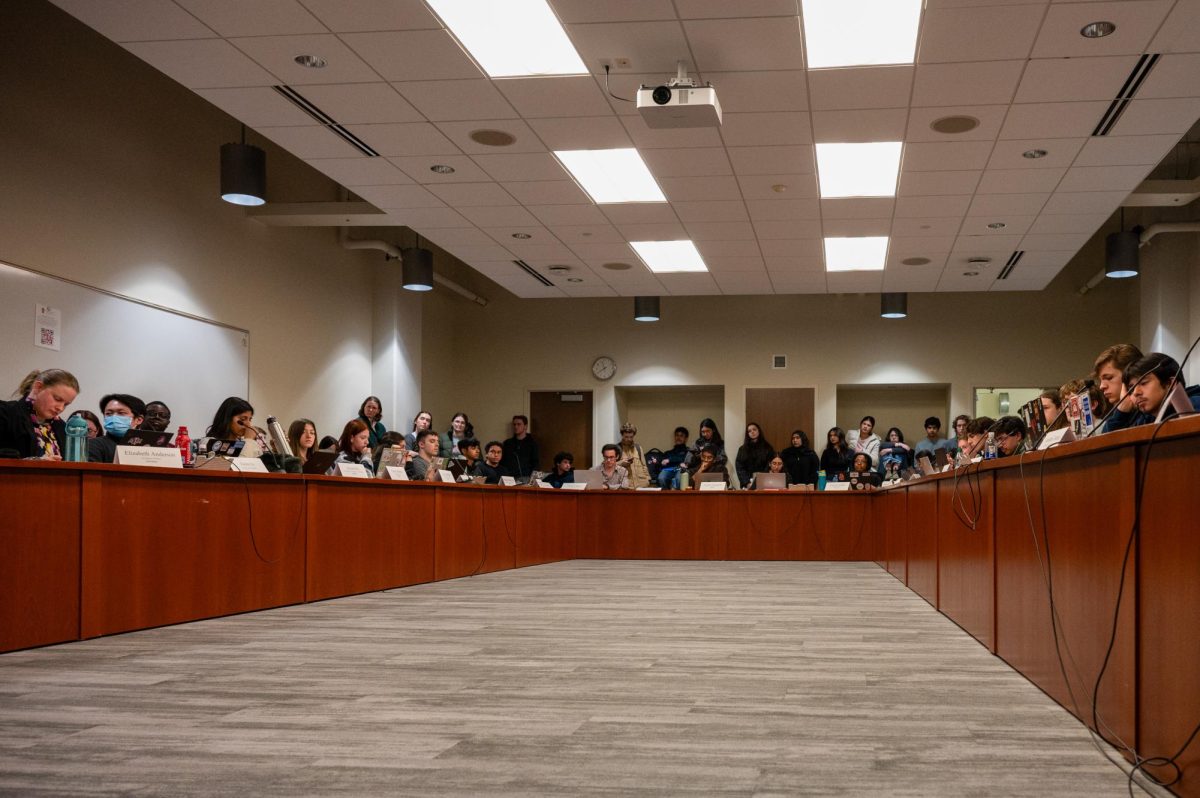

The University of Wisconsin student body completed voting for the Associated Students of Madison Spring 2026 Election this week, from March 16 to March 18.
As the polls closed, 2,134 ballots were cast by a student population of 49,724 students. Overall, this was a 4% voter turnout, a decrease from the previous year, which was a 6% voter turnout.
Although considered a part of UW, ASM is a student organization providing a unique position that allows for the advising of administrators on concerns students may have about policies and budget changes, according to ASM Legislative Affairs Chair Megan Mladucky.
“ASM has a unique advantage of giving students a seat at the table and [amplifying] the student voice,” Mladucky said.
Any student from the student body was able to run in the election, in their respective college or school, which allowed for college-specific students to vote for an individual that represented that college, according to Mladucky.
Though students are running within their respective colleges, the ASM election also represents more students than those who turn out to vote, according to Mladucky.
As the university’s official student governance body, ASM represents the needs of over 50,000 students, both undergraduate and graduate, according to ASM.
“Whether or not they [students] voted [in the election], they are still being represented,” Mladucky said. “When there’s noise on campus, ASM does listen and tries to represent the student voice.”
One factor that may have contributed to this year’s low voter turnout would be the lack of referendum questions, such as increased time between classes, an important issue that students think about daily, according to Mladucky.
Other factors that may have contributed would be the difficulty of providing and spreading the information about these topics, Mladucky said.
Mladucky said that many people do not know the work conducted by ASM, yet the organization funds many programs, including the Open Seat Food Pantry and mental health services, which shows its large presence on campus.
Further, it allocates $75 million within the Student Services Finance Committee and Grant Allocations Committee, which fund and partner with several student organizations on campus, like the Rape Crisis Center, University Health Services and University Recreation & Wellbeing, according to ASM.
“The best thing to do is to have students go out and canvas during the election season and spread more information about ASM to their friends and classmates,” Mladucky said.
