



Colorectal cancer rates are rising in young people, according to Yale Medicine. Though colorectal cancer has declined slightly in the overall population, it’s rising at an “alarming rate” in young adults, becoming the leading cause of cancer-related deaths, according to the Cancer Research Institute.
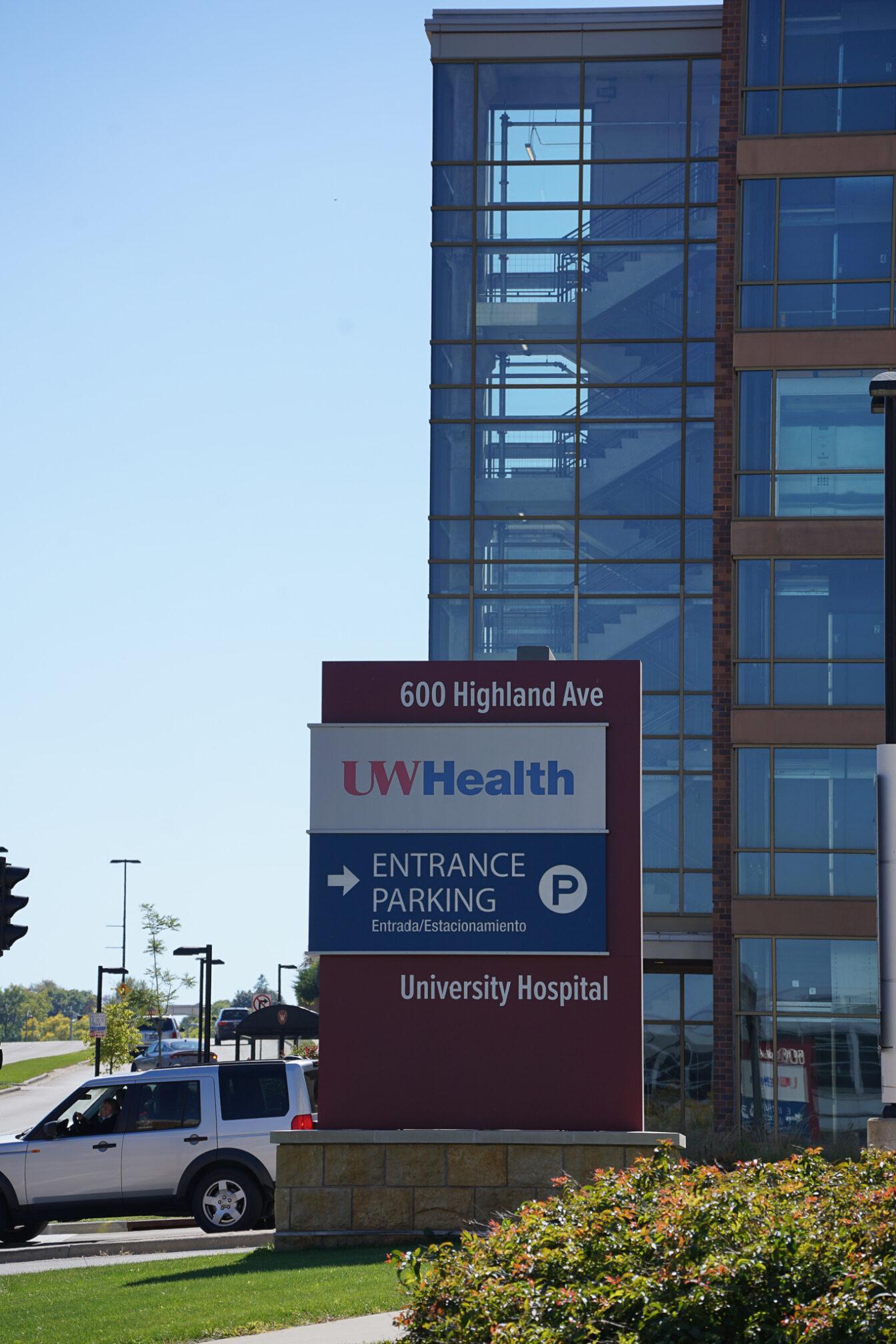
Researchers haven’t figured out why exactly younger adults are getting colorectal cancer more often, according to UW Health Chair of the Division of Colon & Rectal Surgery Dr. Dana Hayden. Smoking, heavy drinking, sedentary lifestyle, poor dietary habits, a diet of highly processed foods, can all be contributing factors, but none of them have been fully linked to the rise of colorectal cancer, according to Hayden.
“We’re doing a bunch of research now trying to figure out if there’s some other environmental exposures to explain these trends … We’re really trying to understand the full story, which is not just those usual risk factors,” Hayden said.
Byproducts of processed foods have carcinogens that can build up in the colon, and eating healthy lowers risks for chronic inflammation, according to Hayden. Though healthy eating lowers the risk of colorectal cancer, the risk reduction is only about one percent, Hayden said.
“I’m still advocating [to] eat healthy, don’t smoke, exercise a lot, but that’s not going to change the genetic profile that people might have,” Hayden said.
That’s why talking about family history of colorectal cancer is so important, according to Hayden. There are many variables that can affect a person’s risk of colorectal cancer, so knowing any genetic predispositions can be very important, Hayden said.
It’s also important for individuals to pay attention to any symptoms. These can include changes in bowel habits, like persistent diarrhea or constipation, blood in the stool, abdominal pain, unexpected weight loss and bloating after eating, according to Hayden. Just because you have a symptom doesn’t mean you have cancer, especially if you’re young, but it’s important to keep an eye out, Hayden said.
“Generally these symptoms are not going to be related to cancer … but I refuse to … presume it’s from anything else,” Hayden said. “I will exclude a cancer first.”
This exclusion comes via colonoscopy. A colonoscopy is a procedure where a long, thin camera is inserted into the anus and used to look at the colon for polyps, or pre-cancerous growths, according to Hayden. Colonoscopies are both diagnostic and therapeutic, meaning that if the doctor finds a polyp during the colonoscopy, it will be removed right then and there, Hayden said.
“If [polyps] are left in the colon, those are the things that can turn into cancer,” Hayden said. “So it’s really important to get that colonoscopy to be able to remove it.”
Colonoscopies can be either screening or diagnostic, according to Hayden. A screening colonoscopy is done when there’s no symptoms, for example someone who has a history of colon cancer in their family, whereas a diagnostic colonoscopy happens when you have symptoms, according to Hayden.
Most people start having screening colonoscopies at age 45. Though colonoscopies are considered the gold standard of colorectal cancer screening, other screening tests, like colon stool tests, are also available for people of average risk, Hayden said. But, anyone who has symptoms of colorectal cancer should get a colonoscopy, Hayden said.
“Most of the time, it’s fine [and] we’re going to find a benign reason for the symptoms you’re having,” Hayden said. “But on the rare occasions that there may be a polyp that’s causing these symptoms, or an early cancer… [a colonoscopy] is how we find it [and] remove it.”
Hayden stresses the importance of normalizing conversations around colorectal cancer. With the rise in colorectal cancer in young people, it’s important for them to feel comfortable asking their families about family history and talking to their doctor about symptoms, according to Hayden. While researchers search for the reasons behind the rise in colorectal cancer, we can still work on preventative measures.
“I don’t have an answer for if we’re going to find a reason for this, but I’d rather be able to increase the prevention by doing scopes,” Hayden said. “You’re coming into my office, I’m scoping your butt, that is for sure.”

