


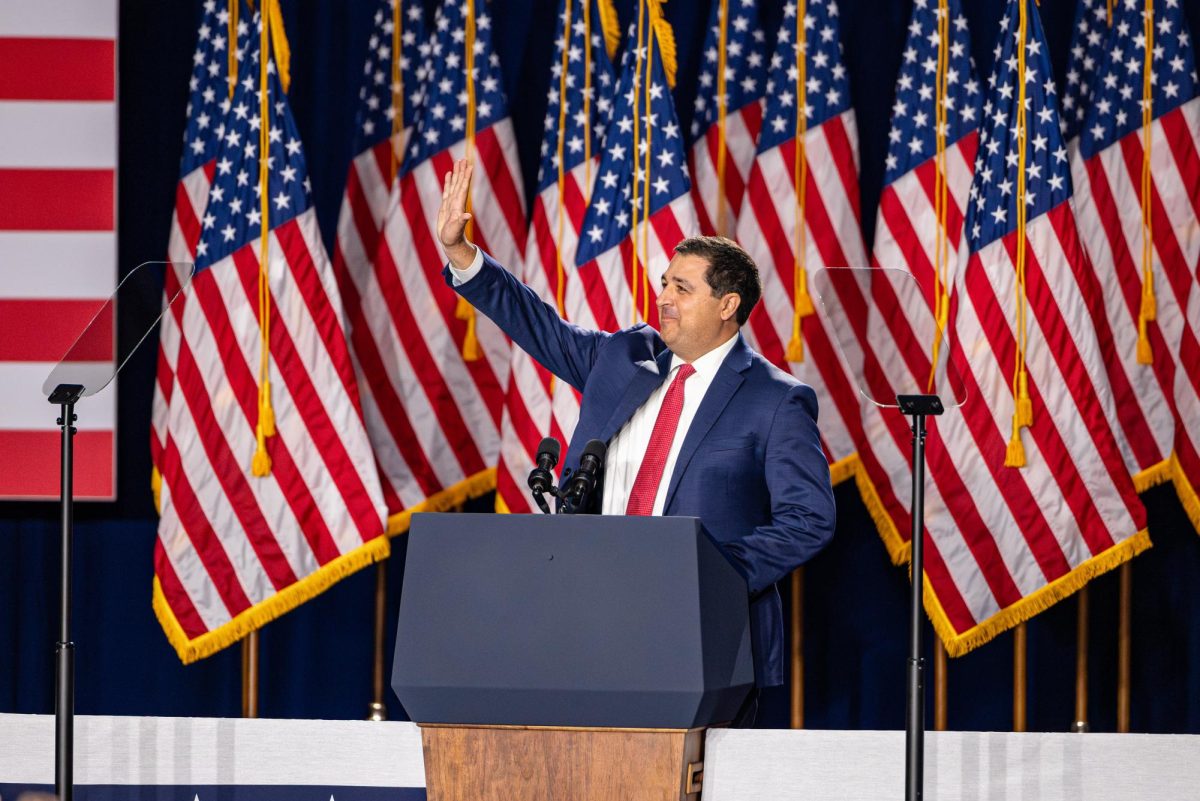

Wisconsin Attorney General Josh Kaul joined the attorney generals of 21 other states Nov. 26 in filing a lawsuit against the federal government’s new restrictions on the Supplemental Nutrition Assistance Program, according to a press release from the Wisconsin Department of Justice.
SNAP provides food benefits to low income families to assist with their grocery budgets, aiming to help families to afford more nutritious food, according to SNAP’s website.
President Donald Trump signed the One Big Beautiful Bill act July 4 which included changes to SNAP eligibility — specifically increasing the work requirements for able-bodied working adults under SNAP benefits.
Kaul and the coalition of 21 other attorneys are seeking to block these new restrictions, claiming the new restrictions wrongly disqualifies several groups of people from SNAP benefits without any basis from federal law, according to the press release.
“Improperly restricting eligibility for SNAP leads to more unnecessary hunger in our communities and an unnecessary increase in the strain on food banks and food pantries,” Kaul said in the press release.
The coalition says the Trump administration’s U.S. Department of Agriculture is unlawful and is asking the courts to invalidate the new changes to SNAP in Wisconsin, according to the press release.
The bill additionally placed restrictions narrowing eligibility for refugees, asylum recipients and other people currently under humanitarian protection programs. The coalition takes issue with how those under humanitarian programs are handled under the new bill, specifically citing long-term concerns about residency, according to the press release.
“The USDA memo, however, incorrectly indicated all individuals who entered the country through these humanitarian pathways would remain permanently ineligible for SNAP, even after obtaining green cards and becoming lawful permanent residents,” Kaul said in the press release.
Additionally, the Big Beautiful Bill increases the amount an individual state is required to pay for SNAP programs to function.
Before the bill was passed, the USDA paid for 50% of all administrative costs for SNAP to function in a state and the individual state covered the other 50%. The Big Beautiful Bill changes this distribution, decreasing the USDA’s requirement to 25% of administrative costs and increasing the individual state’s cost to 75%, according to the Big Beautiful Bill.
The coalition of 22 Attorney Generals are concerned with the balance between a State’s responsibility to maintain a stable economy and compliance with federal regulations. The lawsuit is motivated by this balance, Kaul said in the press release.
“Kaul and the coalition warn the guidance will create widespread confusion for families, increase the risk of wrongful benefit terminations, erode public trust and place states in an untenable situation where they must either violate federal law or accept severe financial liability,” Kaul said in the press release.

