



Wisconsin Governor Tony Evers’ office sent out Wisconsin Supplemental Nutrition Assistance Program benefits Nov. 7 after a federal court ordered that SNAP funding must be paid out during the U.S. government shutdown.
SNAP payment funds had not been replenished during the government shutdown that ended Nov. 10, which was the longest government shutdown in U.S. history, University of Wisconsin assistant director for student engagement Kasie Strahl said.
Though the regular full-time student does not meet the requirements for SNAP, there are special opportunities for students with different circumstances, like students in a work study program or who have a child caretaking role.
“There are certain exemptions that make students able to access SNAP … working in a work study job, if you have a caretaking role or if you have a certain kind of disabilities,” Strahl said. “Finally, if you work more than an average of 80 hours a month, you qualify.”
Though SNAP benefits are not as widespread on campus, other UW food sources, like the Open Seat Food Pantry, BadgerFARE and the Nutrition Access Program, were also under duress due to the government shutdown, according to the Office of Student Financial Aid.
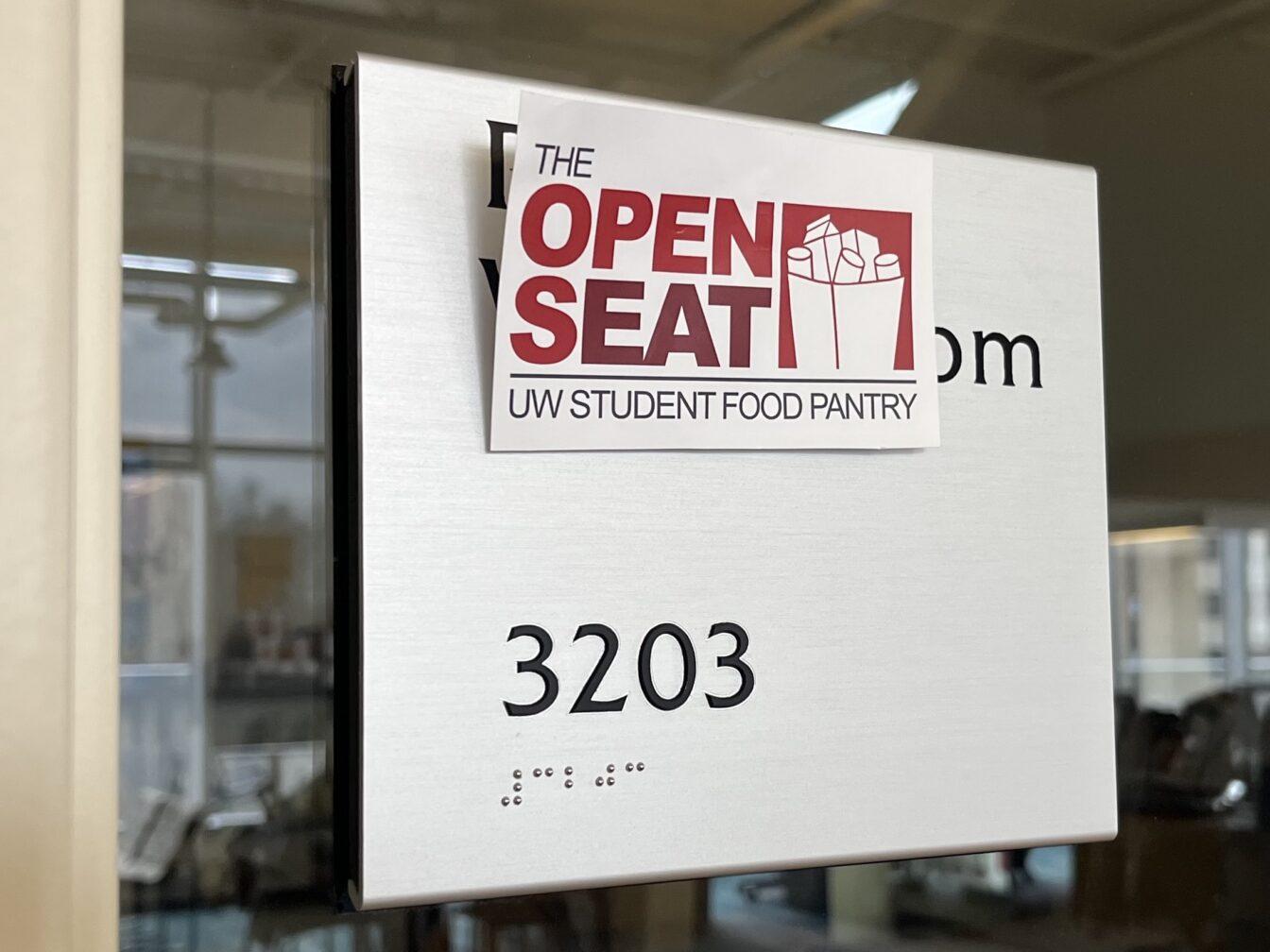
Open Seat Food Pantry requests skyrocketed in terms of need in the past week. The lack of SNAP benefits and other food sourcing options led to the food pantry’s need rising exponentially, Director of Open Seat Naomi Olsen said.
Olsen said more and more students every year rely on Open Seat’s support for food.
“It’s been over a 200% increase in households using our resource in the past year and a half alone … it’s [Open Seat] has been growing exponentially,” Olsen said.
With all the SNAP payments back up due to Ever’s release of the payments, according to the Office of Student Financial Aid, the stress on open food sourcing locations, like Open Seat, will have some stress taken off their shoulders.
The long shutdown put stress on food sourcing and financial institutions throughout campus, financial aid basic needs case manager Tora Frank said.
“In the history of SNAP, there has never been a pause like this,” Frank said. “So it makes sense that campuses like ours and across the country have had to think about, how will we support students if this is just turned off like that?”
The extended break of subsidies for SNAP and other food source locations will not be reinstated immediately, and may not be fully reimbursed for the benefits they have missed during the shutdown, Olsen said.
Without the continuous funding for SNAP and pantries like Open Seat, there may be a window where people aren’t receiving benefits even when the government has been reopened, Frank said.
Olsen said that after she released a statement to the school talking about how the pantry was struggling to fulfill needs, the support was surprising and inspiring.
“I’ve had so many people reach out to me as outreach director, trying to create partnerships and host food drives,” Olsen said. “A lot of people have given donation bins and marketing materials, so we’ve been doing the best we can to keep up with that and making sure we’re getting all the food into the pantry effectively.”
Wisconsin was one of the 25 states that sued the federal government over SNAP benefits being cut, according to the Office of Student Financial Aid. Without food, Strahl and Frank agreed that learning is not the only part of being a student at any university.
Strahl said post-secondary education is a main driver in a better overall life and services like FoodSource and others around campus make getting that education easier.
“There’s a lot of good evidence about the value of post-secondary education,” Strahl said. “We know it can make people healthier, earn more and have better autonomy at jobs … These benefits of post-secondary education are not distributed equally, so some people are way more likely to get that degree than others … What can we do as a university to make that path a little bit smoother?”
Government shutdowns put a high strain on the institutions providing collegiate help and the students who need those benefits, Frank said.
Without funding for over a month, students who rely on these benefits and other federal subsidies to help pay for basic needs were in real trouble, and that could affect their studies and other aspects of their lives greatly, according to the Office of Student Financial Aid.
To be a true student, there is so much more to do than learn, Frank said.
“There’s so much more that happens around you not as a student at UW-Madison,” Frank said. “How we care about the [people] that come here as students is the job of this university as well.”

