



The Wisconsin Department of Public Instruction has lost about $8 million of its $10.5 million state personnel development grant from the U.S. Department of Education. This five-year grant would have gone to programs for special education teachers in Wisconsin, according to the DPI’s press release.
The DPI initially received notice of the termination of this funding Aug. 27. After appealing the termination, they received a denial of the appeal from the USDE Sep. 29. The grant program, which began in December of last year, helped to recruit and support special educators and leaders across Wisconsin, according to director of communications at DPI Chris Bucher.
Usage of this funding included the Special Educator Induction Program, which forms a support network for new special educators to help coach and mentor them, Bucher said. According to the SEIP, first-year teachers who participated in a comprehensive set of induction activities were half as likely to leave the field as those who did not participate.
The notice from the USDE cited the grant’s alignment with the Biden administration’s values as the reason for its termination as it conflicts with the current administration’s values, according to the DPI’s press release. The USDE staff identified the application for funding contained information indicating the DPI proposed project activities that conflict with the USDE policy of prioritizing “merit, fairness and excellence in education,” according to the notice.
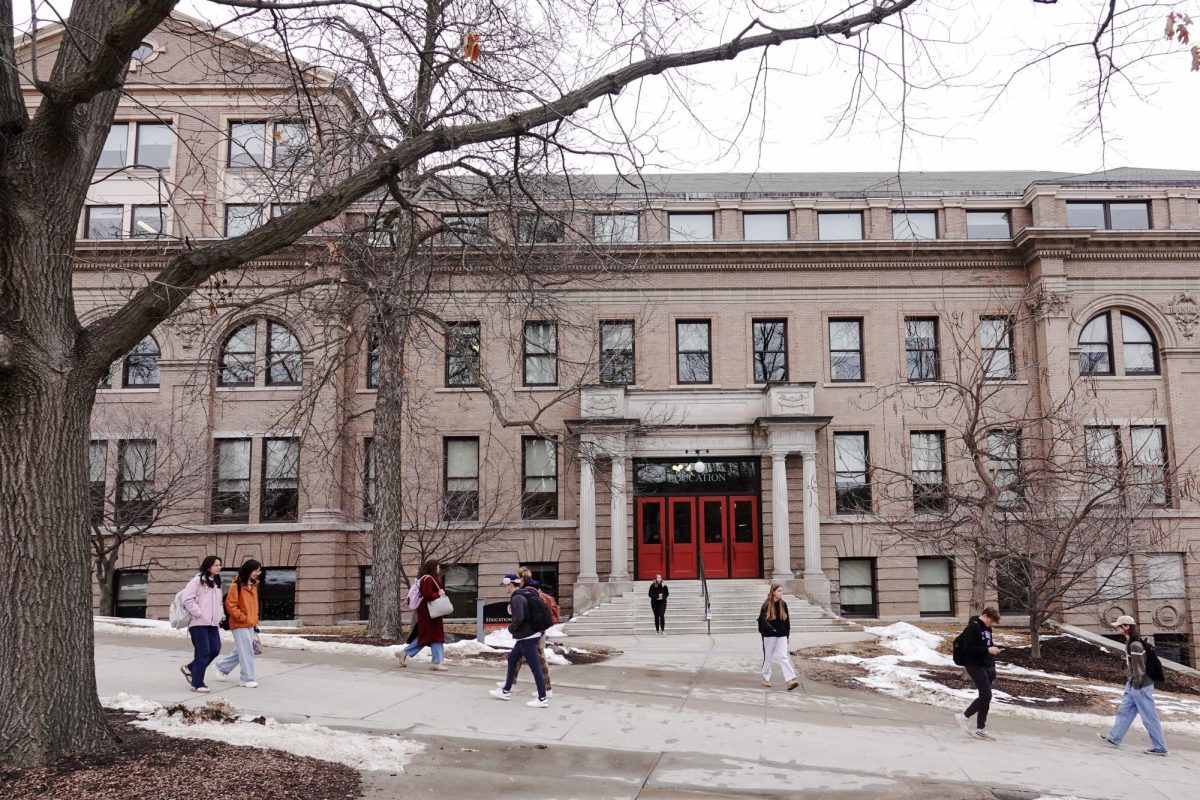
Bucher said this funding also went to University of Wisconsin-Madison and UW-Whitewater to help educator preparation programs. One program at UW-Whitewater assisted in paying tuition for students working towards their full licensure in special education, Bucher said.
“There are many, many staffing challenges across the state in schools, and special education is one of those critical areas we’ve identified,” Bucher said. “So this grant program really went a long way in helping support that initiative in helping districts recruit and retain special educators.”
According to a DPI report, only 83.2% of special educators in Wisconsin remain in the field after their first year, and only 46% remain after seven years. It was using this data that allowed the DPI to apply for and be awarded the grant originally, according to the report.
There is a high burnout rate for people who enter the profession of special education, professor of special education and department chair of Rehabilitation Psychology and Special Education at UW-Madison Kimber Wilkerson said. She works to prepare special educators so they can be successful, enjoy their jobs and stay in the profession as long as they like to maximize their positive impact, Wilkerson said.
“Right now, because there is a shortage of special educators, sometimes the people who take the jobs feel stretched thin — they get assigned a larger caseload or they have colleagues who aren’t certified,” Wilkerson said. “So it ends up being a harder profession if you aren’t surrounded by knowledgeable, experienced colleagues. It has this sort of cumulative effect.”
Through research, Wilkerson and Rebekka Olsen were developing virtual support systems including virtual coaching and an online community of practice. Due to the funding cut, that work is being halted, Wilkerson said. Of the $8 million that was cancelled, approximately $4 million was to go to UW-Madison’s special education program research and development, according to Wilkerson.
Special educators go out into the field excited to be there, so she would like for them to have all the support they need to remain in those jobs. Wilkerson said it is unfortunate those supports are now unable to be sustained.
“Whenever resources are pulled away from the field of special education, it sends a message, whether intended or not, that the work isn’t important,” Wilkerson said. “Of course, I feel the opposite of that. I think the work is very important and the experiences of kids with disabilities and their families in schools are directly related to the quality of teachers.”
Another piece of the grant was designated for campaigning to attract young people to the profession, according to Wilkerson.
UW-Madison offers the Teacher Pledge Program, which pays for the cost of in-state tuition, testing and licensing for students who pledge to work at a Wisconsin PK-12 school, including in special education, for three to fours years after graduation, Wilkerson said. The Teacher Pledge Program is not funded by the federal government, so it will remain at least for the short term, Wilkerson said.
Bucher said students need consistency and high quality educators, especially students in special education. The goal of this grant and its programs was to provide students with committed educators to ensure their support in school and success in life, Bucher said.
“These are kids who really depend on this specialized support to access their right to education,” Bucher said. “It’s gonna have a ripple effect and a huge impact on the education system in Wisconsin. Our mission here is to support all those learners and it’s made a lot more difficult when the federal government pulls funding we were relying on.”

